18 Best Indoor Plants for Beginners (Nearly Impossible to Kill)
The best indoor plants for beginners: 18 nearly unkillable houseplants that thrive on neglect, with light, water and pet-safe notes for each.
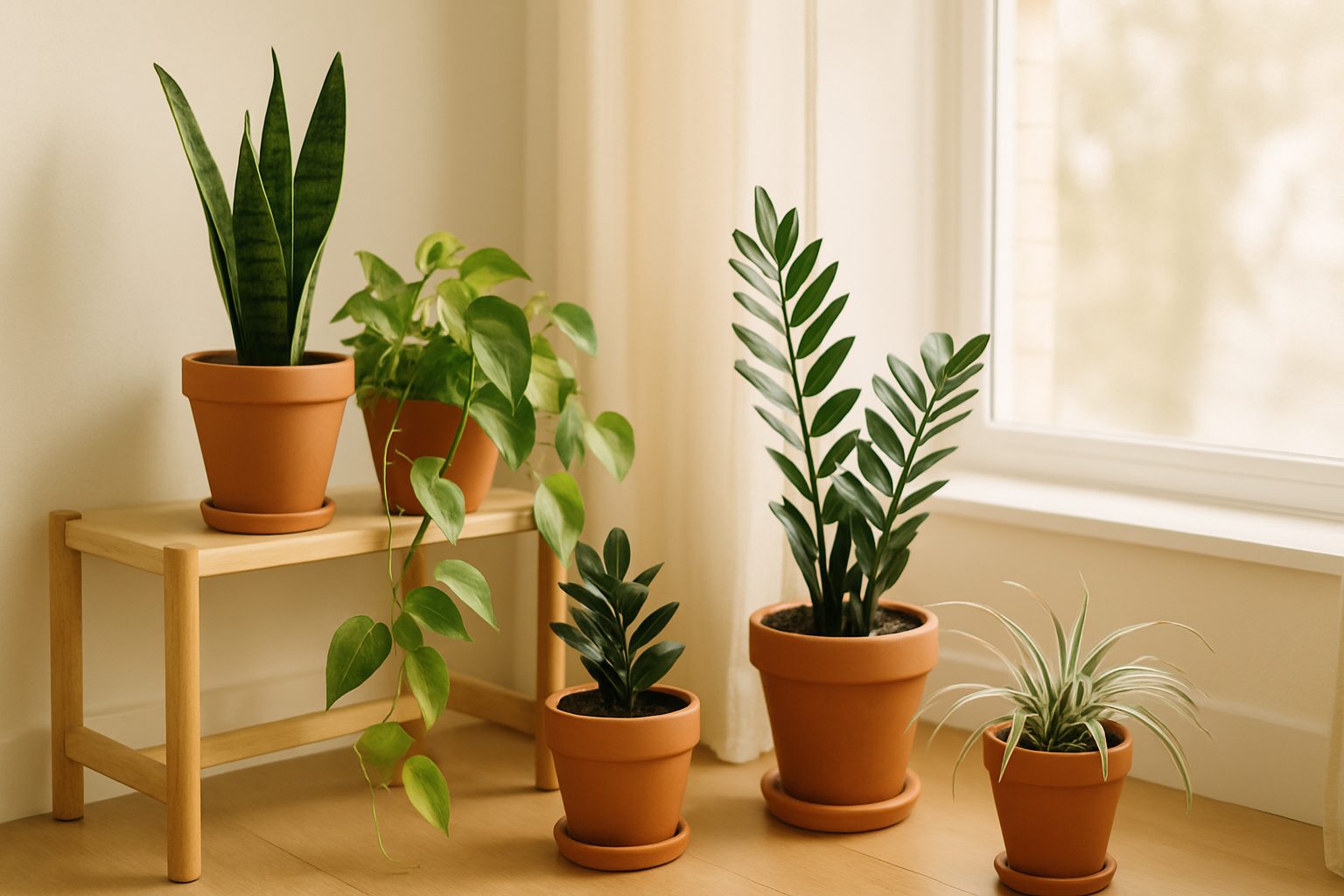
If you’ve killed a plant or five, here’s the reassuring part: you’re probably not a plant killer. You just picked demanding plants. The best indoor plants for beginners are the ones that shrug off a missed watering, put up with low light, and forgive the mistakes that doom fussier species. Every plant on this list is hard to kill, easy to find, and happy to be a little neglected.
How we picked these plants
We looked for three things: forgiveness, availability, and low fuss. Each plant here survives a skipped watering (or three), handles low to medium light without sulking, and recovers from the odd mistake. We also stuck to plants you can actually buy at a garden center or grocery store, not rare imports with a waiting list. Where a plant is toxic to pets, we say so plainly, using ASPCA toxicity data. These are genuinely low-maintenance indoor plants, but “low-maintenance” still means a little maintenance.
The 18 best indoor plants for beginners at a glance
Skim the table, then scroll to the details on any plant that catches your eye.
| Plant | Light | Water | Pet-safe? | Best for |
|---|---|---|---|---|
| Snake plant | Low to bright indirect | Every 2-3 weeks | No | The forgetful waterer |
| Pothos | Low to bright indirect | Every 1-2 weeks | No | A fast, trailing first plant |
| ZZ plant | Low to bright indirect | Every 2-3 weeks | No | Dark corners and offices |
| Spider plant | Bright indirect | Weekly | Yes | Homes with pets |
| Peace lily | Low to medium indirect | When it droops (about weekly) | No | Low light plus flowers |
| Heartleaf philodendron | Low to bright indirect | Every 1-2 weeks | No | Trailing off a shelf |
| Monstera | Bright indirect | Every 1-2 weeks | No | A statement plant |
| Jade plant | Bright, some direct sun | Every 2-3 weeks | No | Sunny windowsills |
| Aloe vera | Bright, some direct sun | Every 2-3 weeks | No | Sunny kitchens |
| Chinese evergreen | Low to medium indirect | Every 1-2 weeks | No | Color without much light |
| Prayer plant | Medium indirect | Keep lightly moist | Yes | Pet homes, no direct sun |
| Cast iron plant | Low light | Every 1-2 weeks | Yes | The darkest rooms |
| Parlor palm | Low to medium indirect | Every 1-2 weeks | Yes | A pet-safe floor plant |
| Rubber plant | Bright indirect | Every 1-2 weeks | No | A bold, glossy tree |
| Dracaena (corn plant) | Low to bright indirect | Every 1-2 weeks | No | An easy floor plant |
| Pilea | Bright indirect | Every 1-2 weeks | Yes | Sharing with friends |
| Boston fern | Medium indirect | Keep moist | Yes | Humid bathrooms |
| Christmas cactus | Bright indirect | Every 1-2 weeks | Yes | Winter blooms |
The 18 plants, one by one
1. Snake plant
The snake plant is the plant we hand to anyone convinced they can’t keep anything alive. It stores water in its stiff leaves, so it would rather you forgot it than fussed over it.
- Light: Anything from a dim corner to bright indirect light.
- Water: Every 2-3 weeks, and let the soil dry out completely first. Once a month in winter.
- Watch for: Overwatering. Soggy soil is the one thing that reliably kills it.
- Pet-safe: No. Toxic to cats and dogs, so keep it out of reach.
2. Pothos
Pothos grows fast, trails beautifully off a shelf, and tells you exactly when it’s thirsty by letting its leaves go slightly limp. Water it and it perks back up within hours.
- Light: Low to bright indirect. It grows faster in brighter spots.
- Water: Every 1-2 weeks, when the top inch or two of soil is dry.
- Watch for: Long bare vines with few leaves usually mean it needs more light.
- Pet-safe: No. Toxic to cats and dogs, so keep it out of reach.
3. ZZ plant
The ZZ plant is built for neglect. Thick underground rhizomes store water, its waxy leaves resist drying out, and it genuinely thrives in low light, which makes it the office-desk classic.
- Light: Low to bright indirect. Tolerates fluorescent light with no natural sun.
- Water: Every 2-3 weeks, letting it dry out fully between drinks.
- Watch for: Overwatering. When in doubt, wait another week.
- Pet-safe: No. Toxic to cats and dogs, so keep it out of reach.
4. Spider plant
The spider plant is fast, cheerful, and pet-safe, and it pumps out baby plantlets you can snip off and pot up for free. Hard to beat as a first plant in a home with cats or dogs.
- Light: Bright indirect light, though it tolerates medium.
- Water: Roughly weekly. Keep the soil lightly moist, not soggy.
- Watch for: Brown leaf tips, usually from tap water minerals or dry air. Try filtered water.
- Pet-safe: Yes. Non-toxic to cats and dogs.
5. Peace lily
The peace lily is the rare beginner plant that flowers, and it flops over dramatically when thirsty, then springs back once watered. That built-in warning system makes it almost foolproof.
- Light: Low to medium indirect. It flowers more with a bit more light.
- Water: About weekly, or whenever the leaves start to droop.
- Watch for: Brown tips from tap water. Filtered or rainwater keeps it happiest.
- Pet-safe: No. Toxic to cats and dogs, so keep it out of reach.
6. Heartleaf philodendron
The heartleaf philodendron looks a lot like pothos and is just as tough, with softer heart-shaped leaves. It trails, climbs, and forgives almost everything.
- Light: Low to bright indirect.
- Water: Every 1-2 weeks, when the top inch of soil is dry.
- Watch for: Sparse, leggy growth means it wants brighter light.
- Pet-safe: No. Toxic to cats and dogs, so keep it out of reach.
7. Monstera
The monstera earns its Instagram fame and is far easier than it looks. Those famous split leaves develop as the plant matures, and it asks for very little beyond room to grow.
- Light: Bright indirect light.
- Water: Every 1-2 weeks, once the top inch or two dries out.
- Watch for: It gets big. Give it space and a moss pole to climb as it grows.
- Pet-safe: No. Toxic to cats and dogs, so keep it out of reach.
8. Jade plant
The jade plant is a chunky little succulent that can live for decades. It wants the opposite of most plants on this list: bright light and infrequent watering.
- Light: Bright light with a few hours of direct sun. A sunny windowsill is ideal.
- Water: Every 2-3 weeks, letting the soil dry out fully.
- Watch for: Stretched, floppy stems mean it isn’t getting enough light.
- Pet-safe: No. Toxic to cats and dogs, so keep it out of reach.
9. Aloe vera
Aloe vera is a practical, good-looking succulent, and the gel inside its leaves is a handy burn soother. Like jade, it prefers sun and a hands-off watering schedule.
- Light: Bright light with some direct sun.
- Water: Every 2-3 weeks, and always let the soil dry completely first.
- Watch for: Mushy, translucent leaves are a clear sign of overwatering.
- Pet-safe: No. Toxic to cats and dogs, so keep it out of reach.
10. Chinese evergreen (Aglaonema)
The Chinese evergreen brings real color, from silver to deep pink, without needing much light. It’s slow, steady, and very forgiving.
- Light: Low to medium indirect. Darker green types handle the lowest light; pink varieties want more.
- Water: Every 1-2 weeks, when the top inch is dry.
- Watch for: It hates cold. Keep it away from drafty windows and rooms below about 60°F.
- Pet-safe: No. Toxic to cats and dogs, so keep it out of reach.
11. Prayer plant
The prayer plant folds its patterned leaves up at night like hands in prayer, which is oddly satisfying to watch. It’s a touch fussier about humidity, but pet-safe and happy in low light.
- Light: Medium indirect. Keep it out of direct sun, which fades the pattern.
- Water: Keep the soil lightly and evenly moist, roughly weekly.
- Watch for: Crispy leaf edges from dry air. It appreciates a humid spot or an occasional misting.
- Pet-safe: Yes. Non-toxic to cats and dogs.
12. Cast iron plant
The cast iron plant is named for exactly the reason you’d hope. It survives deep shade, irregular watering, and general forgetfulness, which is why it’s a classic for gloomy hallways.
- Light: Low light. One of the few plants genuinely happy far from a window.
- Water: Every 1-2 weeks, letting the top of the soil dry first.
- Watch for: It grows slowly, so be patient. Direct sun scorches the leaves.
- Pet-safe: Yes. Non-toxic to cats and dogs.
13. Parlor palm
The parlor palm gives you that lush, tropical, floor-plant look while staying pet-safe and low-drama. It has been a beginner favorite since the Victorians grew it in dim parlors.
- Light: Low to medium indirect light.
- Water: Every 1-2 weeks, when the top inch of soil is dry.
- Watch for: Spider mites can show up in dry air. A quick shower rinses them off.
- Pet-safe: Yes. Non-toxic to cats and dogs.
14. Rubber plant
The rubber plant grows into a striking small tree with thick, glossy leaves. It’s one of the tougher ficus types and a great first “big” plant.
- Light: Bright indirect light.
- Water: Every 1-2 weeks, when the top inch or two is dry.
- Watch for: It can drop leaves after being moved. Pick a spot and leave it there.
- Pet-safe: No. Toxic to cats and dogs, so keep it out of reach.
15. Dracaena (corn plant)
The corn plant is a dracaena with strappy leaves on a woody cane, and it’s an easy, upright floor plant for filling a corner. It grows slowly and asks for little.
- Light: Low to bright indirect.
- Water: Every 1-2 weeks, letting the top of the soil dry out.
- Watch for: Brown leaf tips from fluoride in tap water. Filtered or distilled water helps.
- Pet-safe: No. Toxic to cats and dogs, so keep it out of reach.
16. Pilea (Chinese money plant)
The Pilea, with its round coin-shaped leaves, is friendly, compact, and famous for sprouting baby plants you can share. Beginners love how quickly it multiplies.
- Light: Bright indirect light.
- Water: Every 1-2 weeks, when the top inch is dry.
- Watch for: It leans toward the light, so rotate the pot every week or two for an even shape.
- Pet-safe: Yes. Non-toxic to cats and dogs.
17. Boston fern
The Boston fern is the lushest, greenest option here, and the one that most wants attention. If you have a steamy bathroom or a humid kitchen, it’s an easy win.
- Light: Medium indirect light. No direct sun.
- Water: Keep the soil consistently moist. It dislikes drying out.
- Watch for: Dry air turns the fronds crispy and brown. Humidity is everything for this one.
- Pet-safe: Yes. Non-toxic to cats and dogs.
18. Christmas cactus
The Christmas cactus is a long-lived bloomer that can flower every winter and often outlives the person who bought it. It’s a jungle cactus, not a desert one, so it wants a bit more water than a spiky succulent.
- Light: Bright indirect light.
- Water: Every 1-2 weeks, when the top of the soil is dry.
- Watch for: To get it to rebloom, give it cool nights and long, uninterrupted darkness in fall.
- Pet-safe: Yes. Non-toxic to cats and dogs.
Beginner mistakes to avoid
Overwatering is the number one killer of houseplants, and it’s not close. Most beginner plants would rather be too dry than too wet, so when you’re unsure, wait a few days. Stick a finger an inch into the soil: if it’s damp, hold off.
A few more traps worth dodging:
- No drainage hole. Water pools at the bottom and rots the roots. Use a pot with a hole, or keep the plant in its plastic nursery pot inside a prettier one.
- A rigid watering schedule. Plants drink more in summer and far less in winter. Check the soil instead of watering every Sunday out of habit. Our guide to how often to water houseplants walks through it plant by plant.
- Wrong light. A sun-lover like jade will stretch and flop in a dark corner; a shade plant will scorch on a hot windowsill. Match the plant to the spot.
- Constant repotting and moving. New plants need time to settle. Leave them be for the first few weeks.
- Ignoring soggy soil. Chronically wet soil invites fungus gnats, those tiny flies that hover around your plants. Letting the top layer dry out is the simplest fix.
Frequently asked questions
What is the easiest indoor plant to keep alive?
The snake plant, pothos, and ZZ plant top almost every list of easy indoor plants, and for good reason. All three tolerate low light, store water so they survive missed waterings, and rarely attract pests. If you want one plant you can nearly forget about, start with a snake plant.
Which indoor plants are safe for cats and dogs?
Spider plant, prayer plant, parlor palm, Boston fern, Pilea, cast iron plant, and Christmas cactus are all non-toxic to cats and dogs per the ASPCA. Snake plant, pothos, ZZ, peace lily, philodendron, monstera, jade, aloe, rubber plant, and dracaena are toxic, so keep those well out of a curious pet’s reach.
What indoor plant is best for low light?
The ZZ plant and cast iron plant are the low-light champions, both happy several feet from a window. Snake plants, pothos, and peace lilies also cope well with dim rooms. No houseplant grows in true darkness, though, so even these want some ambient daylight to stay healthy.
How often should I water beginner plants?
Most of these plants want water every 1 to 3 weeks, but the calendar lies. Check the soil first: for succulents and snake plants, let it dry out completely; for pothos and philodendrons, water when the top inch is dry. Plants drink more in summer and much less in winter.
Why do my houseplants keep dying?
Usually it’s overwatering, not you. Soggy soil suffocates roots and causes rot, which looks a lot like thirst, so people water more and make it worse. Switch to hard-to-kill plants like the ones above, let the soil dry between waterings, and your survival rate will jump.
You’ve got this
Pick one or two plants from this list, put them somewhere you’ll actually see them, and resist the urge to overwater. That’s honestly most of the battle. Once you’ve kept a snake plant or a pothos happy for a couple of months, you’ll trust yourself with the next one, and the one after that.
Sources & further reading: ASPCA Animal Poison Control toxic and non-toxic plant lists (aspca.org) for all pet-safety notes above.
Keep reading
Related guides
 Plant Lists
 Best Indoor Plant Stands (and How to Actually Choose One)
Choosing an indoor plant stand isn't just about looks. Here's how to pick the right height, weight capacity, and drainage setup for your plants.
 Plant Lists
 20 Pet-Safe Houseplants (Non-Toxic to Cats and Dogs)
The best pet-safe houseplants for cats and dogs, ASPCA-verified. Plus the popular plants that aren't actually safe and what to do in an emergency.
 Plant Lists
 15 Best Low-Light Indoor Plants
15 low-light indoor plants that genuinely thrive in dim rooms. Includes a shadow test, watering guide, and pet-safety table.