Root Rot: How to Spot It and Save Your Plant
Root rot in houseplants is fixable if you catch it early. Spot the signs, trim the rotten roots, and repot to save your plant.
If your plant is wilting and yellowing even though the soil feels damp, root rot is the likely reason, and the good news: a plant caught early often pulls through. Root rot in houseplants isn’t bad luck or proof you weren’t born with a green thumb. It’s almost always a symptom of soggy soil, where roots sit in water so long they suffocate and rot. This guide shows you how to spot it, the four-step rescue, and how to stop it from coming back.
Quick answer: the root rot rescue in 4 steps
If you think your plant has root rot, act soon. Waiting rarely helps.
- Unpot it. Slide the plant out and gently remove the soil so you can see the roots.
- Trim the rotten roots. With clean scissors, cut away anything brown, black, mushy, or slimy. Keep the firm, pale roots.
- Repot in fresh, dry mix. Use a clean pot with a drainage hole and fresh well-draining soil. Throw out the old wet soil.
- Hold off on watering. Wait a few days, put it in bright indirect light, and water only once the soil dries out.
That’s the whole rescue. The rest explains the why, so you can judge how bad it is.
What root rot actually is
Roots need air as much as they need water. In healthy soil, there are tiny pockets of oxygen between the particles, and the roots breathe through them.
When soil stays waterlogged, those pockets fill with water. The roots can’t get oxygen, so they drown and die back. Then fungi and bacteria move in on the dying tissue, and the rot spreads fast.
So it’s a two-part problem: too much water starts it, and fungi and bacteria finish it. That’s why drying the soil out isn’t enough once roots have gone mushy. You have to cut the rotten tissue away too.
Signs of root rot
Root rot hides underground, so you usually notice the plant looking off before you ever see a root.
- Yellowing or wilting despite moist soil. This is the big tell. If the leaves droop, yellow, or fade while the soil is still wet, the roots have stopped doing their job. A thirsty plant wilts in dry soil. A rotting one wilts in wet soil.
- Mushy black or brown roots. Healthy roots are firm and pale, usually white or tan. Rotten roots are dark, soft, and slimy, and the outer layer can slip off in your fingers.
- A rotten smell. Lift the pot and sniff near the soil. A sour, swampy smell means the roots are decaying.
- A soft, mushy stem base. Press gently where the stem meets the soil. Firm is good. Soft or squishy means the rot has climbed into the crown, which is more serious.
- Stalled growth. No new leaves for weeks, or weak, undersized new ones, can point to roots that can’t feed the plant.
One or two of these together is reason enough to check the roots. You won’t know for sure until you unpot it, and looking won’t hurt.
How to treat root rot, step by step
Set up over a sink or some newspaper, and grab scissors and rubbing alcohol. Here’s the full rescue.
- Remove the plant from its pot. Tip it sideways and ease it out by the base. If it’s stuck, squeeze the sides of a plastic pot or run a knife around the inside edge.
- Rinse the roots. Gently wash or shake the old soil off under lukewarm water until you can see the root ball clearly. Don’t yank at it.
- Cut away the mushy roots. Wipe your scissors with rubbing alcohol first. Snip off every root that’s brown, black, soft, or slimy, back to firm, pale tissue, keeping as much healthy root as you can. Wipe the scissors between big cuts so you don’t spread the rot.
- Trim some leaves if you removed a lot of root (optional). If you cut away most of the roots, what’s left can’t support all the foliage. Removing about a third of the leaves, or the worst stems, takes pressure off the roots while they regrow.
- Let the cuts dry, then repot in fresh mix. Leave the plant out for an hour or two so the cut roots can callus over. Then repot into a clean pot with a drainage hole, using fresh well-draining soil. Never reuse the old soggy soil, since it’s full of the fungi that started this.
- Water sparingly and give it bright indirect light. Wait a few days after repotting before the first light drink, then only water once the top inch or two of soil is dry. Set it somewhere with bright, indirect light, and skip fertilizer until you see new growth.
Then the hardest part: wait. A repotted plant needs quiet time to grow new roots, so resist the urge to fuss over it or water “just in case.”
Can a plant recover from root rot?
Often, yes, but it comes down to how much healthy root is left. If a good chunk of firm, pale root survives after trimming, the plant has a real chance and usually starts to recover in one to two weeks, with fuller recovery over the following month or two.
If nearly all the roots are mush, or the stem base has gone soft, the odds drop. At that point the honest move is to salvage the healthy parts. Take a few cuttings from the firmest stems and root them in water or fresh soil as insurance. That way, even if the parent plant doesn’t make it, you don’t lose it entirely.
There’s no shame in a plant you couldn’t save. Rot that reaches the crown is usually too far gone, and a fresh cutting beats nursing a lost cause.
How to prevent root rot
Almost every case traces back to soil that stayed too wet, so prevention is mostly about giving water somewhere to go and holding back a little.
- Water less often, and check first. Most houseplants want the top inch or two of soil to dry out between drinks, so poke a finger in before you reach for the can. If it’s damp, wait. Our guide on how often to water houseplants walks through it plant by plant.
- Use pots with drainage holes. A hole in the bottom lets extra water escape instead of pooling around the roots. If you love a decorative pot with no hole, keep the plant in a plastic nursery pot and lift it out to water.
- Use well-draining soil. Heavy, dense soil holds water like a sponge. Loosening potting mix with a big handful of perlite or bark helps water run through instead of sitting.
- Empty the saucer. After watering, tip out any water that pools in the tray so the roots aren’t left standing in it.
Get those right and root rot becomes rare. If overwatering is a habit you’re trying to break, our guide to the overwatered plant covers the early warning signs before rot sets in.
FAQ
Can a plant fully recover from root rot?
Yes, if you catch it early and enough healthy root survives the trim. A plant with a decent amount of firm, pale root usually steadies within one to two weeks and fills back out over the next month or two. If the rot has reached the stem base, take cuttings instead.
Should I cut off all the roots?
No. Only cut roots that are brown, black, mushy, or slimy, and keep every firm, pale one you can. Healthy roots are what regrow the plant, so cutting good ones with the bad just sets recovery back. When in doubt, a firm root stays.
Does hydrogen peroxide fix root rot?
It can help, but it won’t undo damage on its own. A diluted 3% hydrogen peroxide rinse (about one part peroxide to two parts water) kills some fungus and briefly adds oxygen to the soil. Treat it as a supporting step. The trim and a repot into fresh, dry soil are what actually save the plant.
How long does it take a plant to recover from root rot?
For a plant caught early, expect it to steady within one to two weeks, with new growth over the following month or two. Severe cases take longer, and some don’t bounce back at all. Bright indirect light, careful watering, and patience give it the best odds.
Why did my plant get root rot if I don’t water it much?
Frequency isn’t the only factor. A pot with no drainage hole, heavy soil, or a saucer left full can keep roots soggy even with occasional watering. Fixing drainage matters as much as watering less. Tough plants like the snake plant are especially prone in dense, water-holding soil.
Root rot looks alarming, but it’s one of the most fixable problems a houseplant can have. Get the plant out of the wet soil, trim what’s rotten, repot dry, and give it time. More plants come back from this than you’d think.
Keep reading
Related guides
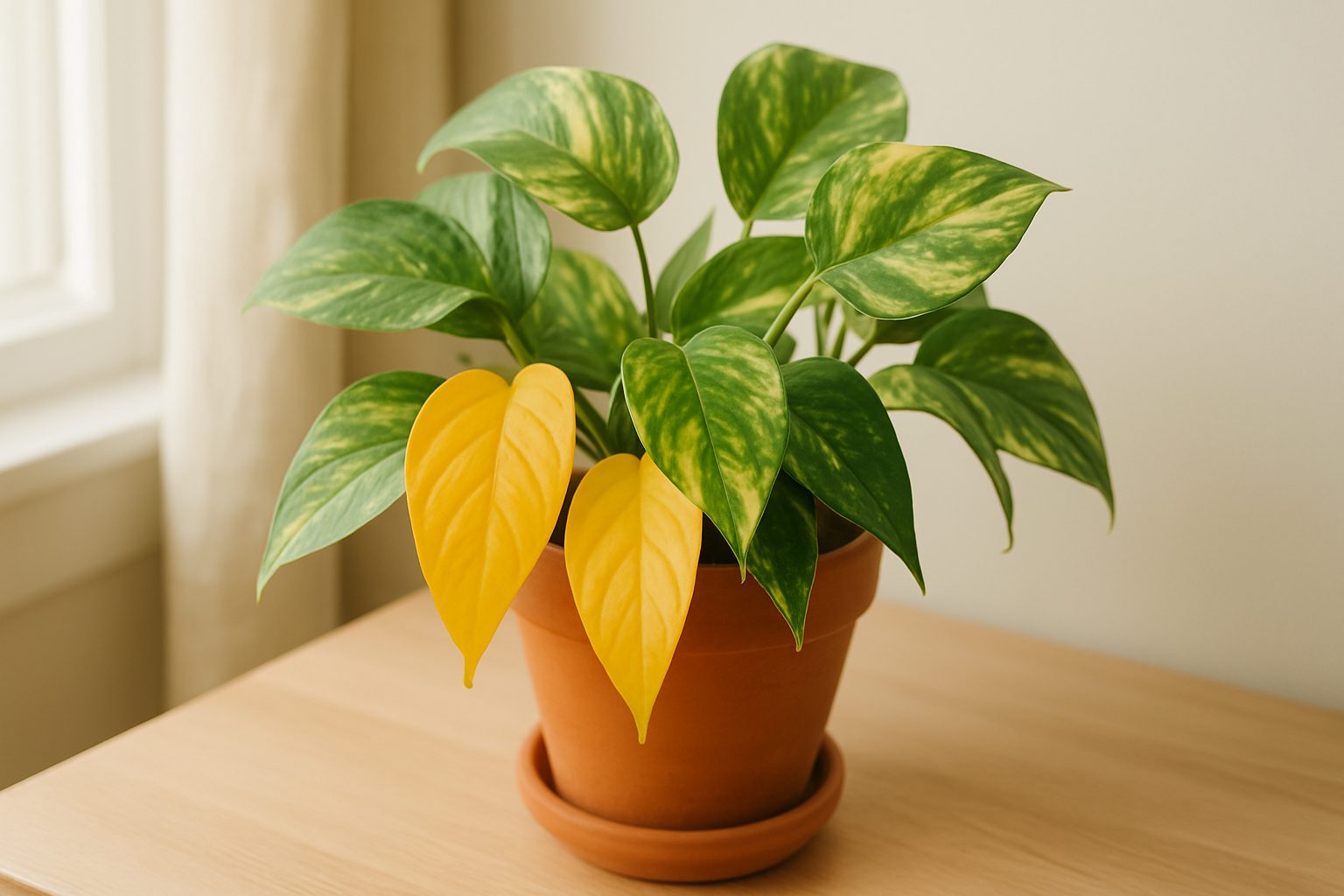 Troubleshooting
 Pothos Leaves Turning Yellow: Causes and Fixes
Pothos leaves turning yellow? Diagnose the cause fast with our symptom guide, then fix it. Plus: when a single yellow leaf means absolutely nothing.
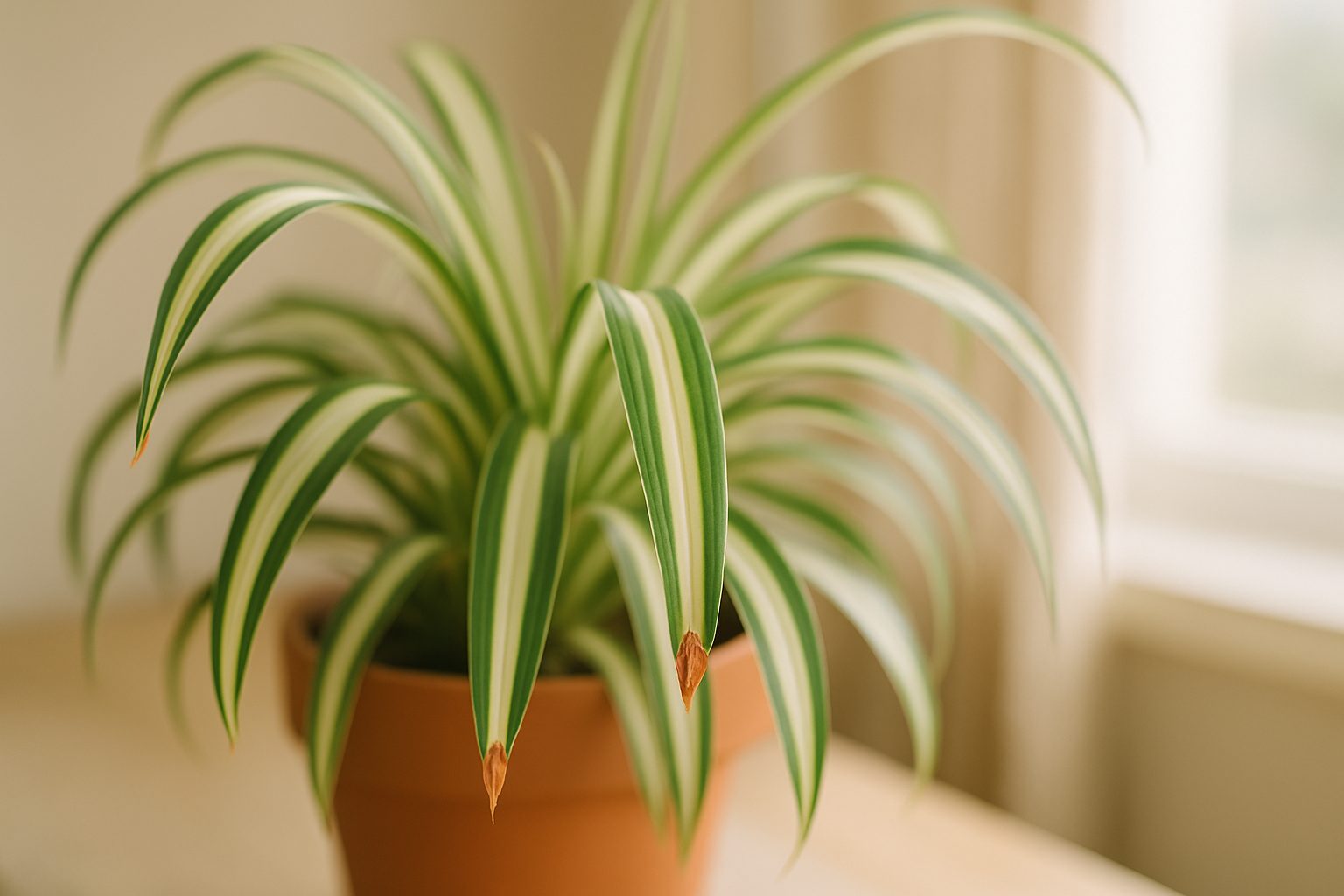 Troubleshooting
 Spider Plant Brown Tips: Why It Happens and How to Stop It
Spider plant brown tips are usually caused by fluoride in tap water, low humidity, or watering issues. Here's how to diagnose your cause and fix it.
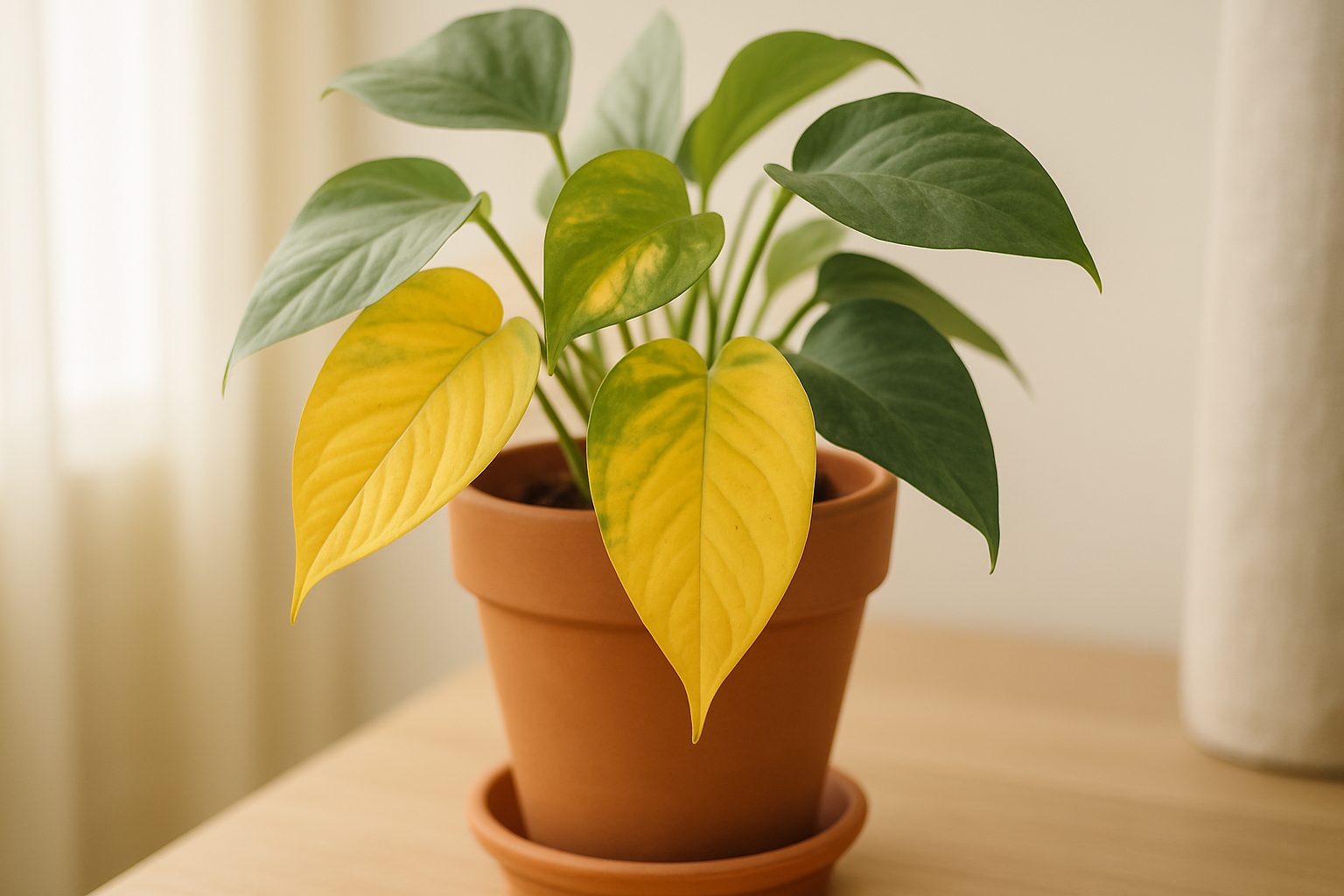 Troubleshooting
 Why Are My Plant Leaves Turning Yellow?
Plant leaves turning yellow? Find out which of the 10 common causes applies to your plant and get a clear fix for each one.