How Often Should You Water Houseplants? A Simple Guide
How often to water houseplants? Skip the calendar. Learn the finger test, frequency ranges by plant type, and how to water the right way.
There is no magic number of days for watering a houseplant, and any chart that promises you one is guessing. How often to water houseplants depends on the plant, the light, the season, and the pot it sits in, so the same fern might want a drink twice a week in July and once a fortnight in January. The good news is you don’t have to memorize any of that. You just have to check the soil, not the calendar.
The quick answer
Check the soil before you water, every single time. Push a finger, or a long wooden skewer, about 1 to 2 inches into the pot. If it comes out dry, water. If it feels damp, wait a few days and check again.
Rough starting ranges, before you adjust for your own home:
- Most tropical foliage (pothos, philodendron, monstera): roughly once a week.
- Succulents, snake plants, ZZ plants: every 2 to 4 weeks.
- Ferns, calatheas, prayer plants: more often, whenever the top inch starts to dry.
- Cacti: every 2 to 4 weeks in summer, much less in winter.
Treat those as a starting point, then let light, season, and pot size move the number.
Why a fixed watering schedule fails
“Water every Sunday” sounds tidy, and it’s one of the fastest ways to drown a plant. A schedule assumes your plant uses water at a steady rate. It doesn’t. Four things change that rate constantly:
- Light. A plant in a bright window drinks more. The same plant in a dim corner barely sips, so its soil stays wet far longer.
- Season. Most houseplants slow down in autumn and winter. They need much less water then, even though nothing about your watering can has changed.
- Pot size and material. A small plant in a big pot sits in a lot of slow-drying soil. Terracotta breathes and dries out fast, while plastic and glazed ceramic hold moisture much longer.
- Humidity and temperature. Dry winter heating pulls water out of the soil fast. A steamy bathroom keeps it damp for days.
Change any one of these and the “right” number of days changes with it. That’s why the soil is the only thing worth trusting.
How to actually tell when to water
Forget the calendar and read the plant instead. A few checks that always work:
The finger test
Push your finger into the soil up to the first or second knuckle, about 1 to 2 inches down. Dry at that depth means it’s time for most plants. Still moist means wait. For deep pots, a long wooden skewer or a chopstick does the same job: push it in, pull it out, and see whether damp soil clings to it or it comes out clean.
Lift the pot
Water is heavy. Lift the pot right after you water so you learn what “full” feels like, then lift it again a few days later. A pot that suddenly feels light has usually dried out. It sounds fiddly, but it becomes second nature within a week or two.
Use a moisture meter
A cheap moisture meter takes the nerves out of it. Push the probe into the soil and read the dial. They aren’t perfect, so treat the reading as a second opinion rather than gospel, but they’re a fine training tool while you learn.
Watch the plant
Some plants just tell you. Peace lilies and many ferns droop dramatically when they’re thirsty, then perk back up within hours of a drink. Soil that has shrunk and pulled away from the sides of the pot is bone dry. Wilting is a last-resort signal, though, not a schedule. If you’re always watering at the wilt stage, start checking a day or two earlier.
How to water properly
When it’s time, water well. A proper soak beats a daily splash every time.
- Water deeply until it drains. Pour slowly and evenly over the soil until water runs out of the drainage hole at the bottom. That wets the whole root ball, not just the top inch.
- Empty the saucer. After ten or fifteen minutes, tip out any water sitting in the saucer or the decorative pot. A plant left standing in water is the fastest route to root rot in houseplants.
- Top or bottom watering both work. Top watering (pouring from above) is normal and fine. Bottom watering (standing the pot in a tray of water for twenty to thirty minutes so it drinks up through the hole) suits plants that hate wet leaves. Either way, let the pot drain fully afterward.
One rule sits underneath all of this: your pot needs a drainage hole. Without one, water pools at the bottom where you can’t see it, and the roots sit and rot.
Watering frequency by plant type
| Plant type | Rough frequency | Tell-tale sign it’s thirsty |
|---|---|---|
| Snake plant, ZZ, succulents | Every 2 to 4 weeks | Soil bone dry; leaves start to wrinkle or pucker |
| Pothos, philodendron, monstera | Roughly weekly | Top 1 to 2 inches dry; leaves look a little limp |
| Ferns, calathea, prayer plants | When the top inch dries, often twice weekly | Crispy leaf edges; surface dry to the touch |
| Peace lily | Roughly weekly | Whole plant droops, then recovers fast after watering |
| Cacti | Every 2 to 4 weeks in summer, monthly or less in winter | Soil completely dry; stems look slightly shrunken |
These are starting points, not promises. A pothos in a sunny window can want water twice as often as the same plant in a shady room.
Water less in winter
Most houseplants rest in the colder, darker months. Growth slows or stops, so they use far less water and their soil stays wet much longer. Keep watering on your summer rhythm through winter and you’ll almost certainly overwater.
The fix is easy: keep checking the soil, and expect the gaps between waterings to stretch out. A plant you watered weekly in July might only want a drink every two or three weeks in January. Cacti and succulents can go longer still. Let the soil tell you, not the calendar.
Signs you’re over or under watering
These two get mixed up constantly, because they can look alike. A quick guide:
Overwatering usually shows as yellowing leaves, a soft or mushy base, soil that stays wet for days, a musty smell, or a cloud of fungus gnats. Left alone it leads to root rot, which is the most common way beginners lose a plant. If you think you’ve gone too far, here’s how to rescue an overwatered plant step by step.
Underwatering shows as crispy brown leaf edges, drooping that recovers only after you water, dry soil shrinking away from the pot, and stalled growth.
When in doubt, lean slightly dry. Most houseplants bounce back quickly from a missed watering. Very few recover easily from sitting in soggy soil.
FAQ
How do I know if I’m overwatering?
The usual signs are yellowing leaves, a mushy stem, soil that stays wet for days, and sometimes a musty smell or fungus gnats. Feel the soil: if it’s still damp several days after a drink, you’re watering too often. Let it dry out more before the next one.
Should I water on a schedule?
No. A rigid schedule ignores light, season, and how fast your pot dries, so it usually ends in over or underwatering. Pick a regular day to check your plants, then water only the ones whose soil is actually dry. Checking on a schedule is smart. Watering on one isn’t.
Is it better to underwater or overwater?
Underwater, if you have to pick. Most houseplants recover fast from a missed drink. Overwatering suffocates the roots and invites root rot, which is far harder to reverse. When you’re unsure, wait a day or two and check the soil again.
How often should I water in winter?
Less often, sometimes much less. Shorter days slow most plants down, so the soil stays wet longer and they need fewer drinks. A plant you watered weekly in summer might want water every two to three weeks in winter. Keep checking the soil and let it guide you.
Does misting count as watering?
No. Misting puts a little moisture on the leaves and briefly raises the humidity around the plant, but almost none of it reaches the roots, which is where your plant actually drinks. Humidity lovers like ferns and calatheas may enjoy a mist, but you still have to water the soil properly.
How much water should I give?
Enough to soak the whole pot until it drains from the bottom, not a small daily splash. A deep soak reaches the lower roots and encourages them to grow down. Then let the soil dry to the right level for that plant before you water again.
The takeaway
Watering gets easy the moment you stop counting days and start reading soil. Check before you pour, water deeply when the soil says so, and ease off in winter. Do that and you’ve already dodged the mistake that kills most houseplants.
If you want plants that make this even more forgiving, start with the best indoor plants for beginners, then meet two of the toughest: snake plant care and pothos care. And when a plant outgrows its home, our guide to repotting a houseplant keeps its roots happy through the move.
Sources & further reading: University of Maryland Extension (Watering Indoor Plants) and the Royal Horticultural Society both recommend checking soil moisture rather than watering on a fixed schedule.
Keep reading
Related guides
 Guides
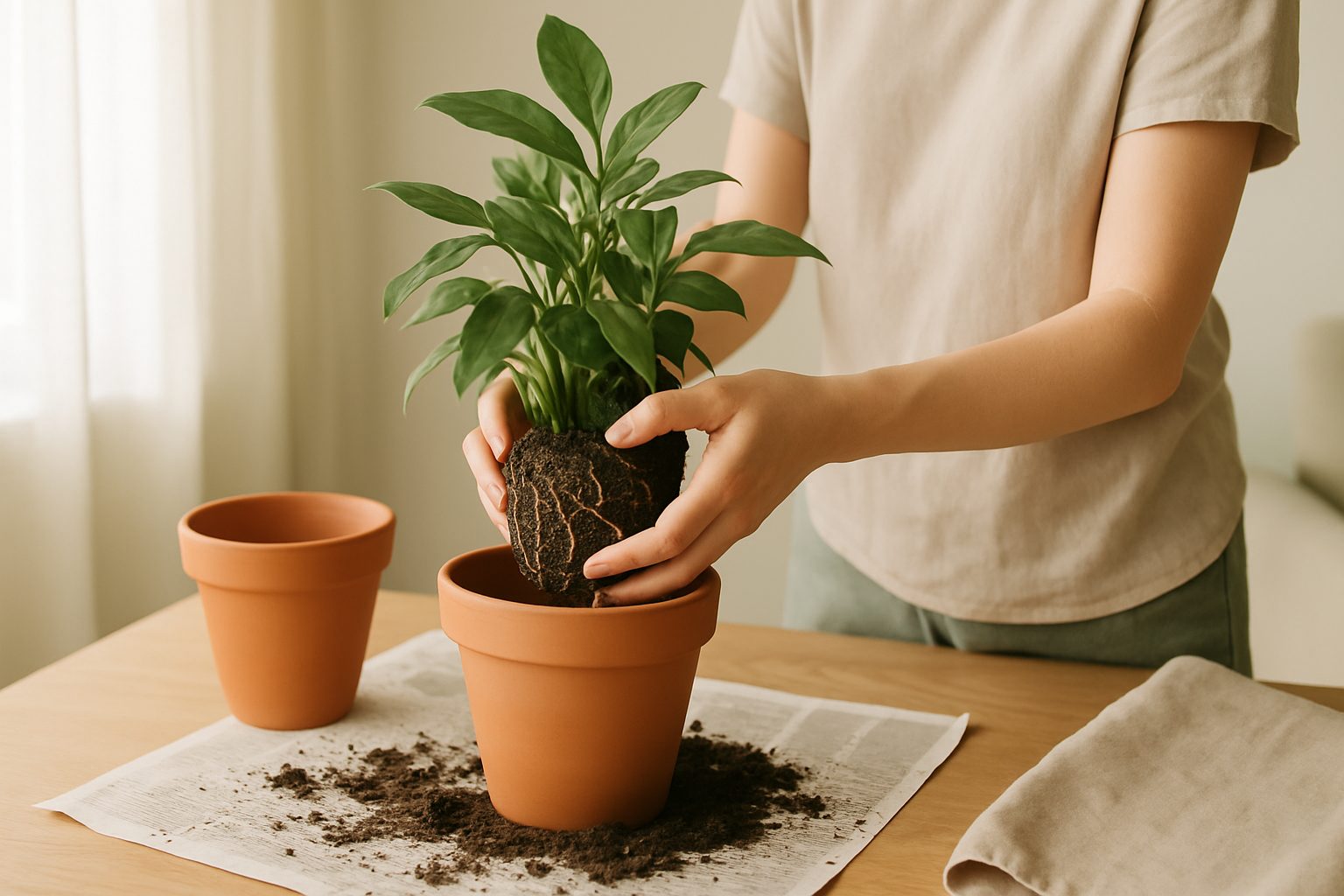
 How to Repot a Houseplant (Without Killing It)
How to repot a houseplant step by step: picking the right pot size, soil type, and what to do after so your plant actually recovers.
 Guides
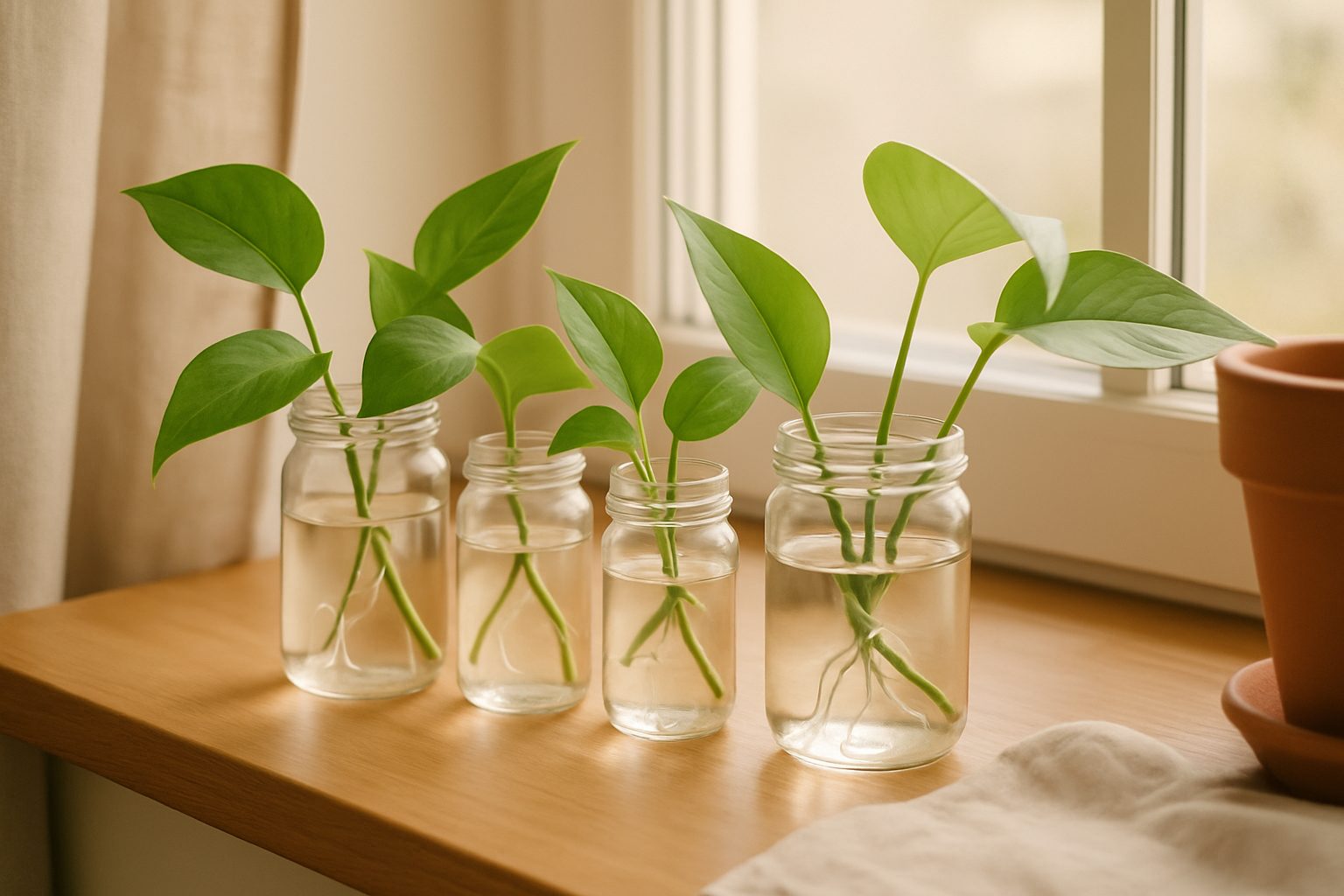
 How to Propagate Pothos in Water (Step by Step)
Learn how to propagate pothos in water with a simple step-by-step guide, and how to transfer your cuttings to soil without losing them.
 Plant Lists
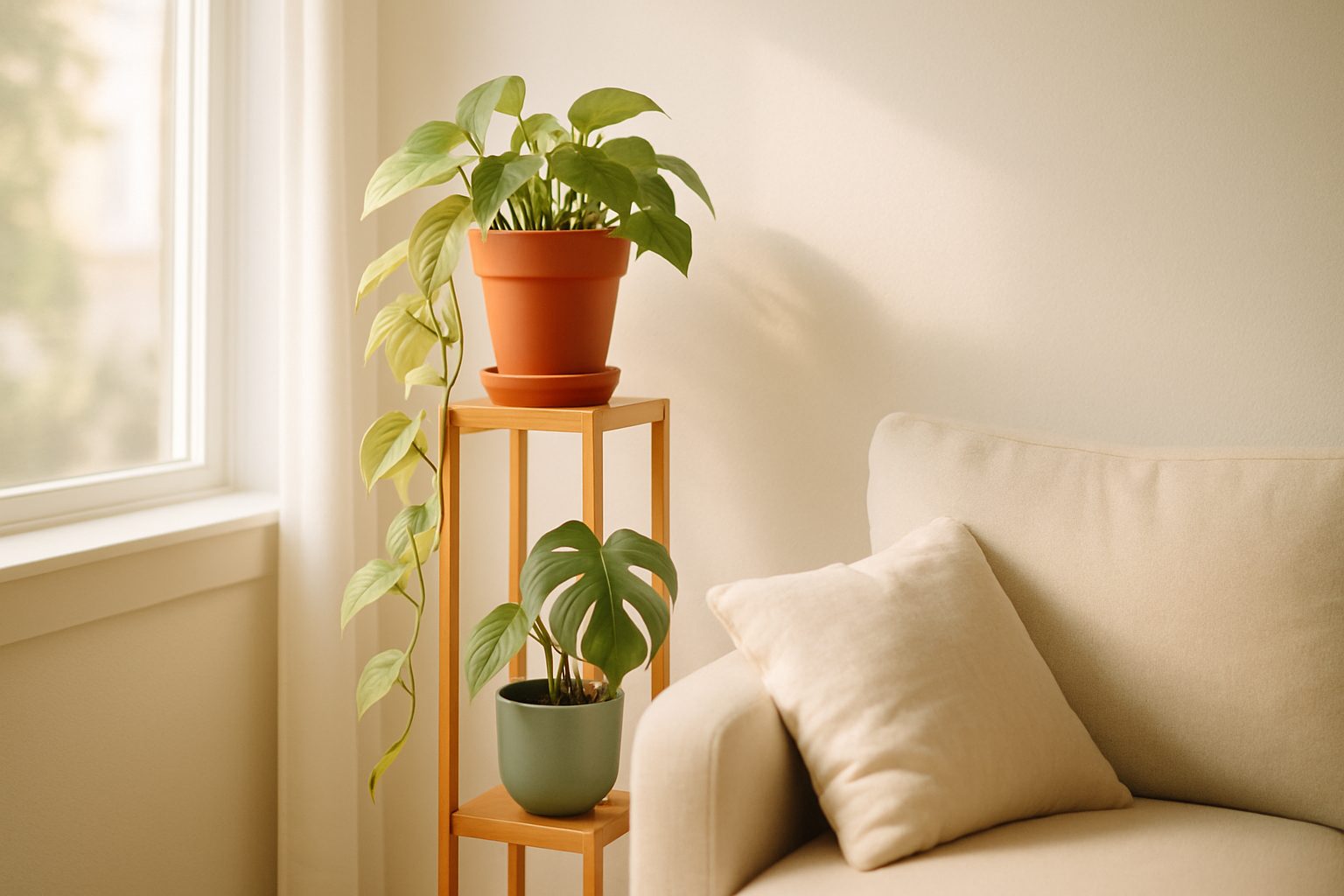
 Best Indoor Plant Stands (and How to Actually Choose One)
Choosing an indoor plant stand isn't just about looks. Here's how to pick the right height, weight capacity, and drainage setup for your plants.