Pothos Care: How to Keep a Pothos Thriving (Beginner Guide)
Pothos care made simple: the light, water, and soil a pothos needs to thrive, plus fixes for yellow leaves and easy water propagation.
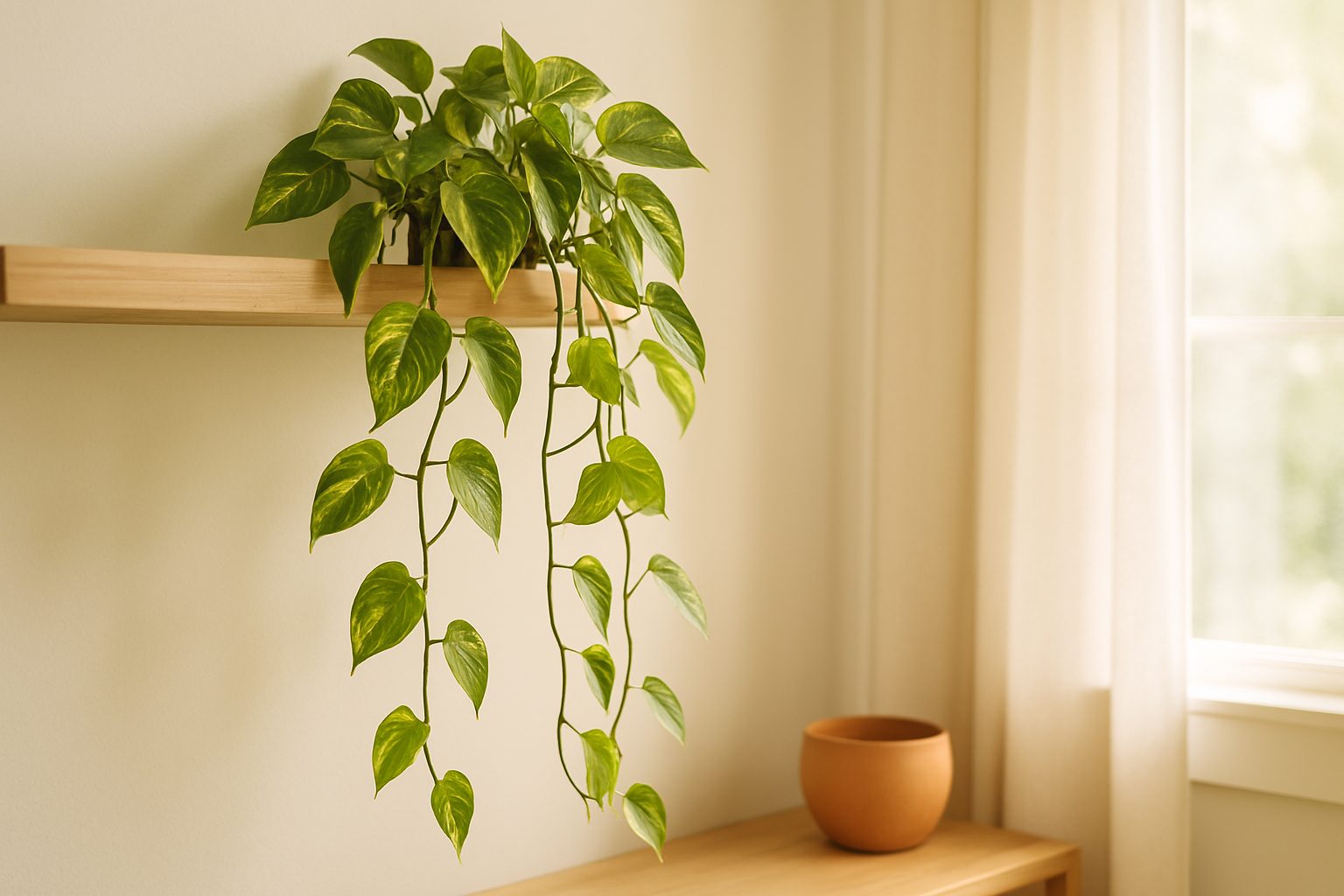
Pothos (Epipremnum aureum, also sold as devil’s ivy) is about as close to unkillable as houseplants get. It grows fast, shrugs off a missed watering, and trails happily off a shelf with almost no fuss. If you’ve killed a plant before and want an easy win, this is the one to start with. Good pothos care comes down to a handful of basics, and this guide covers how to care for pothos from watering and light through to fixing the odd yellow leaf.
Pothos care at a glance
| Factor | What your pothos wants |
|---|---|
| Light | Bright, indirect light is ideal. Tolerates low light, but variegation fades. |
| Water | Let the top 1-2 inches of soil dry out, then water thoroughly. Roughly every 1-2 weeks. |
| Soil | Regular well-draining potting mix (it lets water run through instead of staying soggy). |
| Humidity | Average home humidity is fine. A little happier above 50%. |
| Temperature | 65-85°F (18-29°C). Keep it away from cold drafts and anything below 50°F. |
| Fertilizer | Balanced houseplant feed once a month in spring and summer. |
| Toxicity | Toxic to cats and dogs if chewed (ASPCA). Keep out of reach. |
| Difficulty | Very easy. A great first plant. |
Light
Pothos will survive in a shady corner, which is a big reason it lands on every “hard to kill” list. Survive and thrive are two different things, though. In bright, indirect light it grows faster and the leaves stay full and richly colored.
Low light has one visible cost: variegation. Those creamy white and yellow streaks need light to hold their color. Park a golden pothos or a marble queen in a dark spot and the new leaves come in greener and plainer. Move it somewhere brighter and the pattern usually returns over time.
Direct sun is the one thing to avoid. Harsh afternoon rays through glass can scorch the leaves and leave pale, crispy patches. A few feet back from a window, or beside an east-facing one, is the sweet spot.
Pothos watering
Overwatering kills more pothos than anything else, so when in doubt, wait. The rule is simple. Let the top 1 to 2 inches of soil dry out before you water again. Stick a finger in, and if it’s damp, leave it.
Pothos also gives you an unusually clear signal. When it’s genuinely thirsty, the leaves go soft and droopy, then perk back up within hours of a good drink. That droop is a useful tell, not an emergency. Some people even wait for it on purpose before watering.
When you do water, water thoroughly. Soak until it runs out the drainage holes, then tip out whatever collects in the saucer. Most homes land somewhere around every one to two weeks, but skip the calendar and check the soil instead. Plants drink more in summer and far less in winter. For the bigger picture on timing, see our guide on how often to water houseplants.
Yellow leaves are the classic overwatering warning. If several turn yellow at once and the soil is staying wet, you’re giving it too much. We walk through the full checklist in why pothos leaves turn yellow.
Soil and pot
Pothos isn’t picky about soil. A regular well-draining houseplant mix works fine straight out of the bag. If yours holds water like a sponge, mix in a handful of perlite or orchid bark to loosen it up and let excess water escape.
The pot matters more than the mix. It needs drainage holes, full stop. Without them, water pools at the bottom and the roots sit in it, which is how root rot starts. A cute pot with no hole still works as a decorative outer cover. Just keep the plant in a plastic nursery pot inside it and lift it out to water.
Humidity and temperature
Here’s the easy part. Pothos handles normal household humidity without complaint, so you don’t need a mister or a humidifier. It does grow a touch happier above 50% humidity, which is why it does so well in bathrooms and kitchens, but that’s a nice-to-have rather than a rule.
Temperature is just as forgiving. Anywhere from 65 to 85°F (18 to 29°C) suits it, which is basically room temperature in most homes. What it doesn’t like is cold. Keep it clear of drafty doors, winter windowsills, and AC vents, and don’t let it sit below 50°F.
Fertilizer
Pothos grows well with very little feeding, but a bit of fertilizer speeds things along. Use a balanced liquid houseplant fertilizer at half strength about once a month during spring and summer, when the plant is actively growing.
Skip it in fall and winter. Growth slows down then, and unused fertilizer salts just build up in the soil. More food doesn’t mean a happier plant, and overfeeding can actually burn the roots.
Pruning and training
Pothos grows two ways, and you get to pick. Let the vines trail down from a shelf or hanging pot, or train them upward on a moss pole or across a wall, where they’ll climb and grow noticeably larger leaves.
Left alone, pothos tends to get long and bare near the base, with all the leaves way out at the vine tips. The fix is pruning. Snip a vine just above a leaf node (the little bump where a leaf meets the stem) and the plant branches out from that point, filling in bushier. Prune whenever it looks leggy. You genuinely can’t hurt it, and every cutting you take is a free new plant.
How to propagate pothos
Pothos is one of the easiest plants to propagate, and water is the foolproof way to do it. You also get to watch the roots grow, which makes it a fun project with kids.
- Find a healthy vine and cut a piece 4 to 6 inches long, snipping just below a node. Each cutting needs at least one or two nodes, since that’s where roots form.
- Pull off the lowest leaf or two so the bottom nodes are bare.
- Drop the cutting into a glass of room-temperature water, with the leaves above the water line and the nodes below it.
- Set the glass somewhere bright but out of direct sun. Top up the water as it evaporates and refresh it every few days.
- Roots appear in one to two weeks. Once they’re an inch or two long, pot the cutting up in soil and treat it like any other pothos.
For a fuller walkthrough with photos, see how to propagate pothos step by step.
Popular pothos varieties
All pothos share the same care. They differ mostly in leaf color and pattern.
- Golden pothos: the classic. Green leaves splashed with gold, and tough as nails.
- Marble queen: heavily streaked cream and green. Slower growing, because there’s less green leaf to photosynthesize.
- Neon pothos: solid bright chartreuse leaves, no variegation. It practically glows in a dim room.
- Jade pothos: plain deep green leaves, and arguably the most low-light tolerant of the bunch.
- Pearls and jade: smaller green leaves edged in white and silver. A compact, slow grower.
Common pothos problems
Most pothos trouble traces back to watering. Here’s how to read the signs.
Yellow leaves. Usually overwatering, especially if the soil stays soggy and several leaves yellow at once. Let the soil dry out more between waterings and check that the pot drains. One yellow leaf on an otherwise happy plant is just old age. Full breakdown here: pothos leaves turning yellow.
Brown spots or crispy edges. Often too much direct sun scorching the leaves, or very dry air. Move it out of harsh light. Brown tips can also point to inconsistent watering.
Leggy, sparse growth. Long vines with big gaps between leaves usually mean not enough light. Move it somewhere brighter and prune the bare vines to force bushier growth.
Root rot. Mushy black roots and a plant that wilts even in wet soil. That’s advanced overwatering, and it needs fast action: trim the rotten roots, repot in fresh soil, and ease off the water. See how to spot and fix root rot.
One more common visitor is little flies hovering around the soil. Those are fungus gnats, and they thrive in soil that stays too wet. Here’s how to get rid of fungus gnats.
Is pothos toxic?
Yes. Pothos is toxic to cats and dogs, and it’s listed as such by the ASPCA. The leaves and stems contain insoluble calcium oxalate crystals, which release when a pet chews them and cause burning and irritation of the mouth, drooling, vomiting, and trouble swallowing.
It’s rarely life-threatening, but it’s genuinely unpleasant for a pet, so keep pothos out of reach of curious cats and dogs, and out of small hands too. A high shelf or a hanging pot solves it neatly. If you think your pet has eaten some, call your vet or the ASPCA Animal Poison Control Center at (888) 426-4435.
Pothos care FAQ
How often should I water a pothos?
Roughly every one to two weeks, but let the soil decide rather than the calendar. Water when the top 1 to 2 inches feel dry. Expect to water more often in summer and much less in winter. When you’re unsure, wait a day, because pothos handles slightly dry far better than soggy.
Why is my pothos turning yellow?
Overwatering is the usual cause, especially if several leaves yellow together and the soil stays wet. Let it dry out more between drinks and make sure the pot has drainage holes. A single yellow leaf here and there is normal aging and nothing to worry about.
Can pothos grow in low light?
Yes. Pothos is one of the best plants for low light and will survive in fairly dim rooms. It just grows slower there, and variegated types lose their pattern and turn greener. For strong growth and bright variegation, give it bright indirect light.
How do I make my pothos fuller?
Prune it. Snip vines just above a leaf node and the plant branches out below the cut, growing bushier over time. More light helps too, since leggy, gappy growth is usually a light problem. You can also root the cuttings and plant them back into the same pot for an instant fuller look.
How fast does pothos grow?
Fast, for a houseplant. In good light during spring and summer, a healthy pothos can add around 12 inches of vine a month. Growth slows or stops in winter. Bright indirect light and regular feeding through the growing season are what push it fastest.
A quick recap
Pothos really is hard to kill. Give it decent light, let it dry out between waterings, use a pot that drains, and it’ll reward you for years while asking for almost nothing back. If it’s your first plant, you picked a good one. When you’re ready for the next, our roundup of the best indoor plants for beginners has more easy wins.
Sources & further reading: ASPCA Toxic and Non-Toxic Plants database (Golden Pothos); South Dakota State University Extension houseplant guidance.
Keep reading
Related guides
 Care Guides
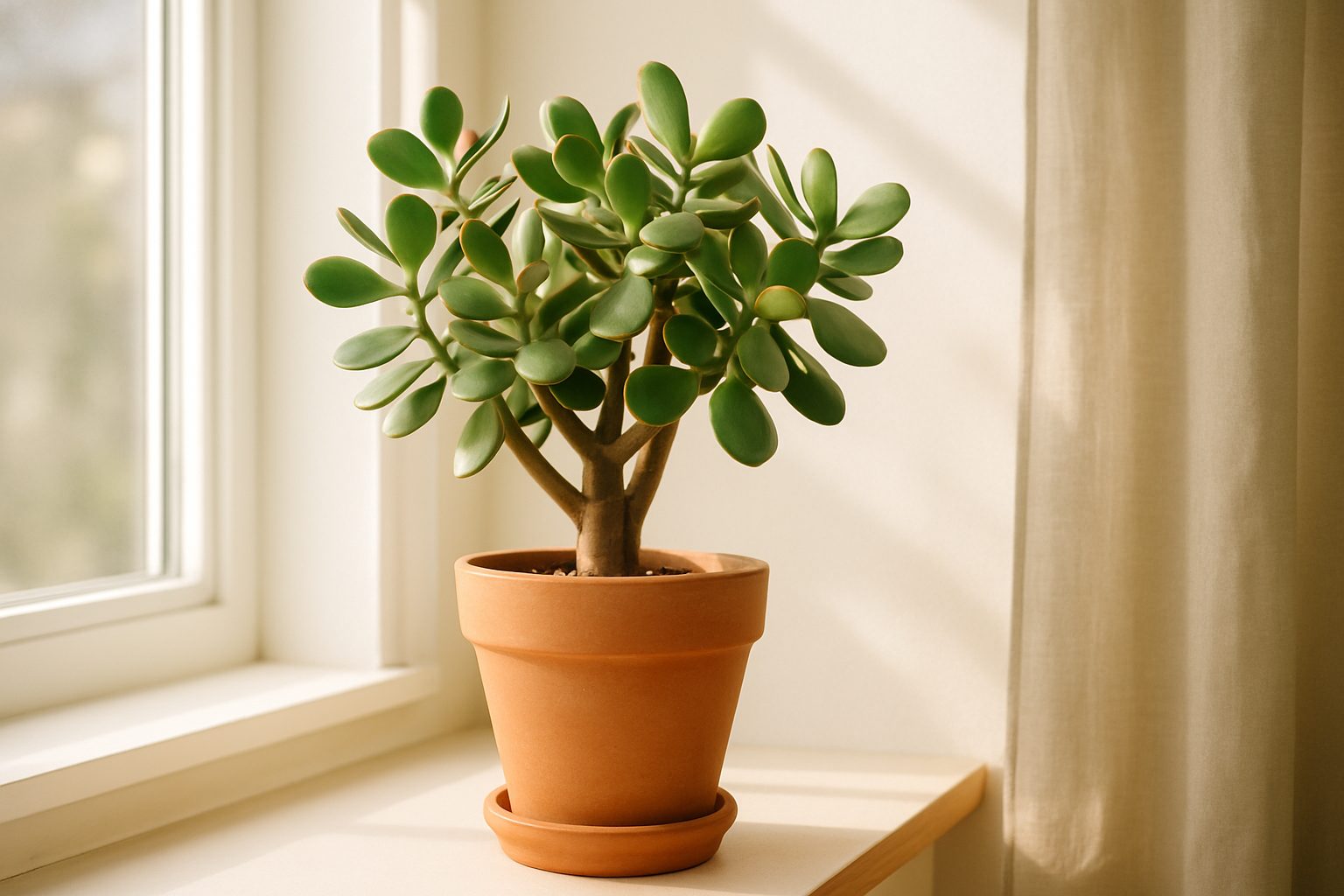
 Jade Plant Care: The Complete Guide for Beginners
Jade plant care guide: how to water, light, and soil correctly, plus fixes for leaf drop, leggy growth, and other common problems.
 Care Guides
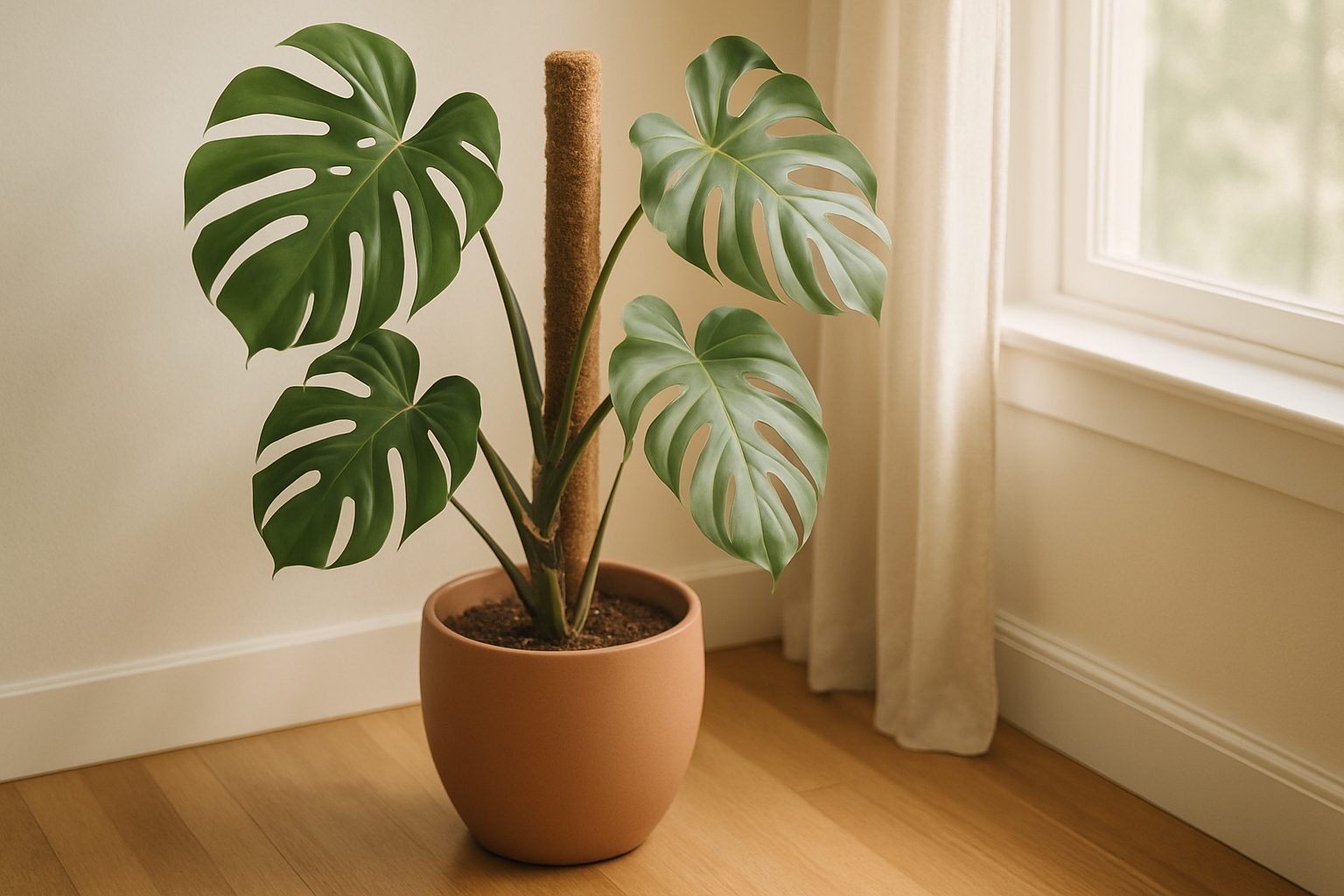
 Monstera Plant Care: The Complete Guide
Monstera plant care made simple: light, watering, soil, aerial roots, and why your leaves might not have holes yet.
 Care Guides
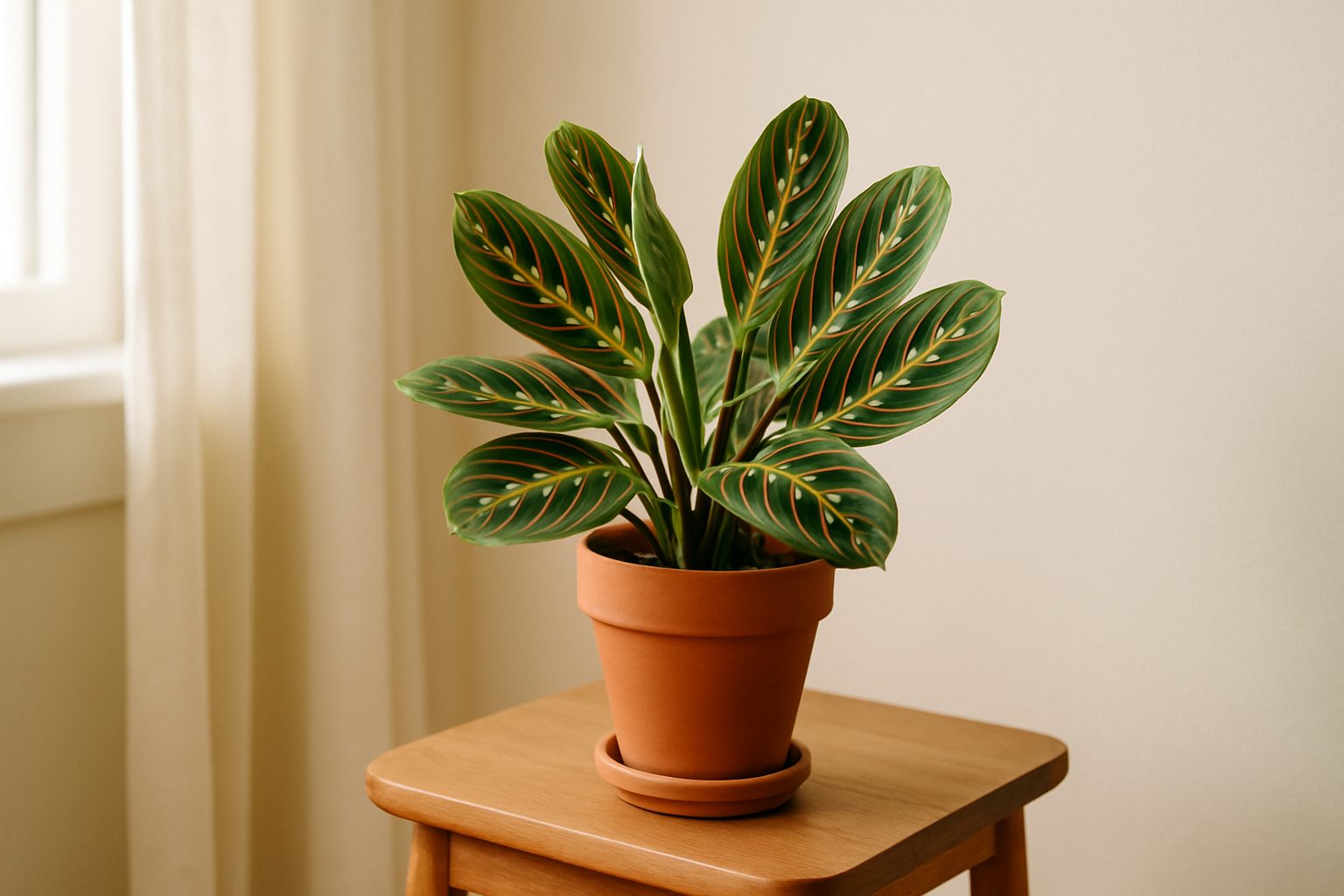
 Prayer Plant Care: Keeping Those Leaves Moving
Prayer plant care made clear: light, water, humidity, why leaves stop praying, and the honest truth about brown tips.