Snake Plant Care: The Complete Guide for Beginners
Snake plant care made simple: how much light, how often to water, and how to fix drooping or yellow leaves. The full beginner's guide.
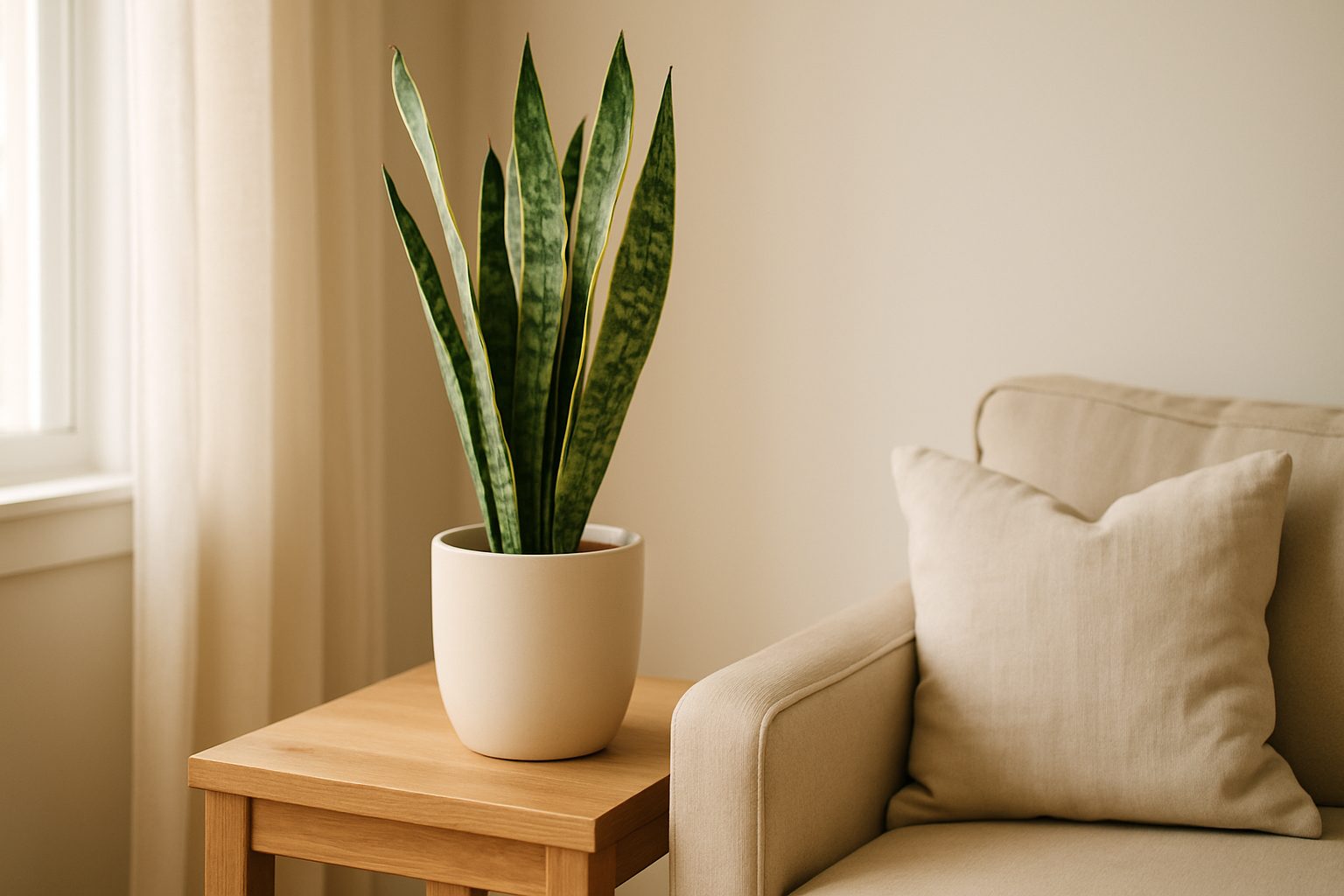
The snake plant is the most forgiving houseplant you can own. It shrugs off low light, forgets you exist for weeks at a time, and keeps standing tall through all of it. If you have killed a plant before, this is the one that forgives you.
Good snake plant care comes down to one habit: watering less than you think. Get that right and the rest is easy. This guide covers how to care for a snake plant from every angle: light, water, soil, feeding, repotting, propagation, and the handful of problems that ever come up.
You will also see it sold as Sansevieria or by its newer botanical name, Dracaena trifasciata. Same plant. Botanists moved it from the Sansevieria genus into Dracaena back in 2017, but most shops and plant people still call it Sansevieria, so don’t let the two names throw you.
Snake plant care at a glance
| Factor | What it needs |
|---|---|
| Light | Tolerates low light, thrives in bright indirect light |
| Water | Every 2 to 3 weeks in summer, about once a month in winter. Let the soil dry fully |
| Soil | Fast-draining cactus or succulent mix, in a pot with a drainage hole |
| Humidity | Not fussy. Normal household air is fine |
| Temperature | 60 to 85°F (15 to 29°C). Keep it above 50°F |
| Fertilizer | Optional. A diluted feed once a month in spring and summer |
| Toxicity | Toxic to cats and dogs if eaten (ASPCA). Keep it out of reach |
| Difficulty | Very easy. One of the best plants for total beginners |
Light
Snake plants handle low light better than almost anything else on a shelf. They will not curl up and die in a dim hallway, which is exactly why offices and windowless bathrooms are full of them.
But tolerating low light and thriving in it are two different things. Your plant grows faster, keeps its color, and looks its best in bright indirect light. A spot a few feet back from an east- or north-facing window is close to perfect.
They can take some direct sun too. Just watch the harsh afternoon sun through glass in summer, which can bleach or scorch the leaves. If your snake plant lives in a genuinely dark corner, expect slow growth rather than a slow death. Want more low-light options for the rest of your home? Start with our list of the best indoor plants for beginners.
Watering
Here is the whole game. Snake plant watering is where beginners slip up, because overwatering kills more of these plants than every other cause combined. This is the section to actually read.
Snake plants store water in their thick, upright leaves. That means they would far rather be too dry than too wet. Water every 2 to 3 weeks in spring and summer, and drop back to roughly once a month in winter when growth slows right down.
Cadence is a starting point, not a rule. Always check the soil first. Push a finger a couple of inches in, and if you feel any moisture at all, wait a few more days. The single line that saves the most snake plants: when in doubt, wait.
When you do water, water properly. Soak the soil until water runs out the drainage holes, then tip out whatever collects in the saucer. Roots that sit in standing water start to rot. If you want a fuller framework you can apply to every plant you own, read how often to water houseplants.
Soil and pot
Snake plants need soil that drains fast, meaning water runs straight through instead of sitting around the roots. A cactus or succulent mix is ideal straight off the shelf. Regular potting soil works too if you cut it with a good handful of perlite or coarse sand to open it up.
The pot matters as much as the mix. It must have a drainage hole, no exceptions. A pretty pot with no hole is a puddle waiting to happen.
Terracotta is the safest choice for a nervous waterer. It is porous, so it pulls moisture out of the soil through its walls and dries the roots faster. Plastic and glazed ceramic hold water longer, which is fine if you have a light hand but risky if you tend to overwater.
Humidity and temperature
This is the easy part. Snake plants come from dry, warm regions, so they are perfectly happy in the normal, slightly dry air of most homes. No misting, no pebble trays, no humidifier needed.
Temperature is just as relaxed. Anywhere from 60 to 85°F (15 to 29°C) suits them. The one thing to avoid is cold. Keep your plant above 50°F, away from icy winter drafts and gaps under doors. A leaf pressed against a freezing windowpane overnight can pick up cold damage, so pull it back a few inches in winter.
Fertilizer
Snake plants are light eaters and will grow for years on almost nothing. Feeding is a nice-to-have, not a must.
If you want to push a bit more growth, feed once a month during spring and summer with a balanced houseplant fertilizer diluted to half strength. Skip feeding entirely in fall and winter while the plant is resting. Too much fertilizer does more harm than too little, so err on the stingy side.
Repotting
Snake plants like being snug. They actually flower and grow better when their roots are a little crowded, so there is no rush to size up. Most plants only need repotting every 2 to 3 years.
You will know it is time when roots poke out of the drainage hole, the plant dries out much faster than it used to, or a vigorous one starts to crack its pot. The roots are strong enough to split plastic and even terracotta when truly packed in.
Repot in spring, moving up just one pot size. Too big a jump leaves a mass of wet, unused soil around the roots, which brings you right back to the rot problem. Fresh cactus mix, a pot with drainage, done.
Propagation
Making more snake plants is genuinely easy, and there are two ways to do it.
Division is the fastest and most reliable. Slide the plant out of its pot, find a natural clump with its own roots, and cut or pull it away. Pot each section on its own and treat it like a grown plant. You get a full-sized plant right away.
Leaf cuttings take longer but are fun. Cut a healthy leaf into a few sections, let the cut ends dry for a day, then stand them in water or push them into moist soil. Roots take several weeks to a few months. One catch: variegated types with yellow edges lose that color when grown from leaf cuttings and revert to plain green, so divide those instead. For step-by-step photos, see how to propagate a snake plant.
Common problems
Snake plants rarely get sick, and when they do, the cause is usually water. Here are the four things that send people searching at 11pm.
Drooping or splaying leaves. Healthy snake plant leaves stand tall. When they flop outward from the center, overwatering is the usual culprit, though very low light and a pot-bound plant can do it too. Ease off the water and move it somewhere brighter. Our full guide on why your snake plant is drooping walks through every cause.
Yellow leaves. Yellowing, especially near the base, almost always points to too much water. Let the soil dry out completely and check that the pot is actually draining. If a leaf is fully yellow and soft, remove it. See snake plant leaves turning yellow for the full rundown.
A mushy, soft base. This is root rot, the serious one. A stem that feels squishy at soil level and pulls away easily means the roots are rotting from sitting in wet soil. Unpot the plant, trim off every soft brown root and mushy section, and repot the firm parts in fresh dry mix. Our guide to root rot in houseplants covers how to catch it and save the plant.
Brown, crispy tips. Usually cosmetic, not an emergency. It comes from inconsistent watering or, sometimes, the fluoride and salts in tap water building up. Trim the brown tip off at an angle with clean scissors and try watering more evenly. If gnats show up in the damp soil, here is how to get rid of fungus gnats.
Is the snake plant toxic?
Yes. The ASPCA lists snake plants as toxic to both cats and dogs. The leaves contain saponins, natural compounds that irritate the gut when chewed or swallowed.
The good news is that it is mildly toxic, not deadly. A curious pet that takes a bite usually gets an upset stomach: drooling, vomiting, or diarrhea. Serious reactions are rare, but it is no fun for the animal. Keep your snake plant up on a shelf or in a room your pets don’t roam, and call your vet or the ASPCA Poison Control line if you think your pet ate some.
Frequently asked questions
How often should I water a snake plant?
Every 2 to 3 weeks in spring and summer, and about once a month in winter. Cadence is only a guide, though. Check the soil first and water only when the top couple of inches are completely dry. When you genuinely can’t tell, wait a few more days.
Can a snake plant live in low light?
Yes. Snake plants tolerate low light better than almost any houseplant, which is why they thrive in offices and dim corners. They will survive there for years. For faster, healthier growth and better color, give them bright indirect light when you can.
Why are my snake plant leaves falling over?
Drooping or splaying leaves usually mean overwatering. The leaves get waterlogged and lose their rigidity. Too little light and a badly pot-bound plant can also cause it. Cut back on water, let the soil dry fully, and move the plant somewhere brighter to help it firm back up.
Do snake plants clean the air?
Snake plants do absorb some airborne compounds, a finding from older NASA lab research. In a real room, though, the effect is tiny, and you would need dozens of plants to notice a difference. Enjoy yours for the looks and the low effort, not as an air purifier.
How long do snake plants live?
A long time. With basic care, a snake plant easily lives 5 to 10 years, and many go well past 20. Because they propagate so readily by division, a single plant can effectively carry on for decades as you split it and pass pieces along.
The takeaway
If you remember one thing, make it this: underwater, don’t overwater. Give your snake plant a bright-ish spot, let the soil dry out fully between drinks, and it will reward you for years with almost nothing in return.
Ready for your next easy win? Browse the best indoor plants for beginners and build out your collection one hard-to-kill plant at a time.
Sources and further reading: ASPCA Toxic and Non-Toxic Plants database (snake plant); Penn State Extension, “Snake Plant: A Forgiving, Low-maintenance Houseplant”; North Carolina State Extension Gardener Plant Toolbox (Dracaena trifasciata).
Keep reading
Related guides
 Care Guides
 Jade Plant Care: The Complete Guide for Beginners
Jade plant care guide: how to water, light, and soil correctly, plus fixes for leaf drop, leggy growth, and other common problems.
 Care Guides
 Monstera Plant Care: The Complete Guide
Monstera plant care made simple: light, watering, soil, aerial roots, and why your leaves might not have holes yet.
 Care Guides
 Prayer Plant Care: Keeping Those Leaves Moving
Prayer plant care made clear: light, water, humidity, why leaves stop praying, and the honest truth about brown tips.