Snake Plant Leaves Turning Yellow? Here's Why and How to Fix It
Snake plant leaves turning yellow? Usually overwatering. Here are the 6 causes of yellow snake plant leaves and the exact fix for each.
Snake plant leaves turning yellow almost always come down to one thing: too much water. Good news, it’s fixable, and once you sort out the cause the plant usually carries on just fine. Our complete snake plant care guide has the full routine, but if you want the quick diagnosis, keep reading.
Quick answer: why snake plant leaves turn yellow
Yellow snake plant leaves are usually a watering problem, most often too much of it. Run down this list, most likely first:
- Overwatering and root rot (by far the most common). Soft, mushy base and yellow lower leaves.
- Too much direct sun. Pale or washed-out yellow patches on the sun-facing side.
- Natural aging. One or two of the oldest, outer leaves yellowing slowly.
- Underwatering. Rare. Yellow leaves that are wrinkled and crispy, not soft.
- Cold or draft damage. Yellow-to-translucent patches after a chill.
- Pests. Speckled yellowing with fine webbing or tiny bugs.
If you only check one thing, check the soil. A wet pot and a soft, yellow base means overwatering until proven otherwise.
1. Overwatering and root rot (the usual suspect)
How to tell
Snake plants store water in their thick leaves, so they need very little from you. When the soil stays soggy, the roots can’t breathe and rot, and the leaves yellow from the bottom up. The tell is texture: an overwatered yellow leaf feels soft or mushy, and the base may feel squishy. If it also droops or leans and the soil smells sour, that’s root rot.
The fix
Stop watering right away. If you caught it early, with the soil just damp and the base still firm, letting it dry out completely may be all it needs, which is the usual cure for an overwatered plant. If the base is soft or the soil smells off, you’ve got root rot, and drying alone won’t fix it. Slide the plant out, rinse the roots, and cut away every root that’s brown, black, or mushy with scissors wiped in rubbing alcohol. Let the cuts dry for a few hours, then repot in fresh, fast-draining mix in a pot with a drainage hole.
2. Too much direct sun
How to tell
Snake plants like bright light, but harsh afternoon sun can scorch them. Sunburn shows up as pale, washed-out yellow (sometimes bleached almost white) on the side that faces the window. Unlike overwatering, the leaves stay firm, and only the exposed parts change color.
The fix
Move the plant back a few feet so the light stays bright but indirect. A sheer curtain over a hot south or west window works too. The scorched patches won’t turn green again, but the plant stops burning and new growth comes in the right color.
3. Natural aging of the oldest leaves
How to tell
Sometimes nothing is wrong. Like most plants, a snake plant sheds its oldest leaves over time to put energy into new ones. If it’s just one or two of the outermost, lowest leaves slowly going yellow while the rest of the plant looks healthy and firm, that’s normal aging.
The fix
Nothing to fix. Let the old leaf finish yellowing, then cut it off at the soil line with clean scissors. Several leaves going yellow at once, though, points back to water, not age.
4. Underwatering
How to tell
This one’s uncommon, since snake plants practically run on neglect. But after months bone dry, the leaves can yellow and go wrinkled, puckered, and crispy at the tips. The giveaway is texture again: an underwatered yellow leaf is dry and papery, not soft. The soil will be dust-dry, pulling from the pot.
The fix
Give it a proper drink. Water until it runs out the drainage holes, let it drain fully, then go back to a normal schedule. Leaves that are already yellow won’t green up, but the plant recovers and pushes out healthy new growth.
5. Cold or draft damage
How to tell
Snake plants are tropical and hate the cold. Below about 50°F (10°C) the tissue suffers, and a real chill can leave yellow, soft, or translucent patches, often near the tips. Common culprits: a leaf pressed against a freezing window, a spot by an exterior door, or an AC vent blowing on it.
The fix
Move it away from the cold now. Trim any badly mushed or translucent leaves at the base, since that tissue won’t recover. Keep the plant in a room between 60 and 85°F and away from drafts, and it’ll settle. Cold damage looks alarming but rarely kills a healthy snake plant.
6. Pests
How to tell
Less common on snake plants, but it happens. Spider mites and mealybugs sip the sap and leave fine yellow speckling. Look closely for tiny webs in the leaf crevices (spider mites) or little white cottony spots (mealybugs). Pest yellowing is usually patchy and dotted, not a whole leaf going soft.
The fix
Wipe the leaves down with a cloth dipped in soapy water or diluted neem oil, both sides, getting into the crevices. Repeat weekly until they’re gone, and keep the plant away from your others so it doesn’t spread.
Should you cut off yellow leaves?
It depends on the leaf. A leaf that’s gone fully yellow, soft, or mushy won’t turn green again, so cut it off at the soil line with clean, sharp scissors or a knife wiped in rubbing alcohol. Removing it lets the plant redirect energy to healthy growth and, if pests or rot are involved, stops the spread.
If a leaf is only partly yellow but still firm, you can leave it. It isn’t hurting anything, and it’s still doing a little photosynthesis. If the yellow tip bothers you, trim just the dead part. Whatever you cut, don’t remove more than a third of the plant at once.
How to keep it from happening again
Almost every case of yellow snake plant leaves traces back to water, so prevention is mostly about holding back:
- Water less than you think. Only when the top two inches of soil are fully dry, which usually means every 2 to 3 weeks in summer and once a month in winter. Not sure how to judge it? Our guide on how often to water houseplants breaks it down.
- Use fast-draining soil. A cactus or succulent mix, or potting soil with a big handful of perlite, lets water run through instead of pooling around the roots.
- Always use a pot with a drainage hole. Love a decorative pot without one? Keep the plant in a plastic nursery pot inside it.
- Give it bright, indirect light. Enough to thrive, not so much it scorches.
- Keep it warm. Away from cold windows, drafts, and AC vents.
Do those five things and yellowing mostly stops.
FAQ
Will yellow snake plant leaves turn green again?
No. Once a leaf turns yellow, that part won’t recover its color, because the plant has already pulled the chlorophyll back out of it. That’s okay. Fix the cause, remove any fully yellow leaves, and the plant puts its energy into fresh green growth instead.
Should I cut off yellow snake plant leaves?
Cut a leaf off at the soil line if it’s fully yellow, soft, or mushy, since it won’t recover and may spread rot or pests. If it’s only partly yellow but still firm, you can leave it, or trim off just the dead tip. Don’t remove more than a third of the plant at once.
How do I know if it’s root rot?
Press gently near the soil line and give it a sniff. If the base feels soft instead of firm and the soil smells sour or musty, that points to root rot. To confirm, slide the plant out: rotten roots are brown, black, or mushy, while healthy ones stay firm and pale.
Is one yellow leaf normal?
Often, yes. If it’s a single old, outer leaf yellowing slowly while the rest of the plant looks firm and healthy, that’s just natural aging. Snake plants shed their oldest leaves over time. It’s only a warning sign when several leaves yellow at once, or when the base feels soft.
Yellow snake plant leaves look worse than they usually are. Check the soil first, ease off the water, and trim what’s clearly gone. These plants are famously tough, and yours has a good chance of bouncing back. Once it’s steady again, our snake plant care guide will help you keep it that way.
Keep reading
Related guides
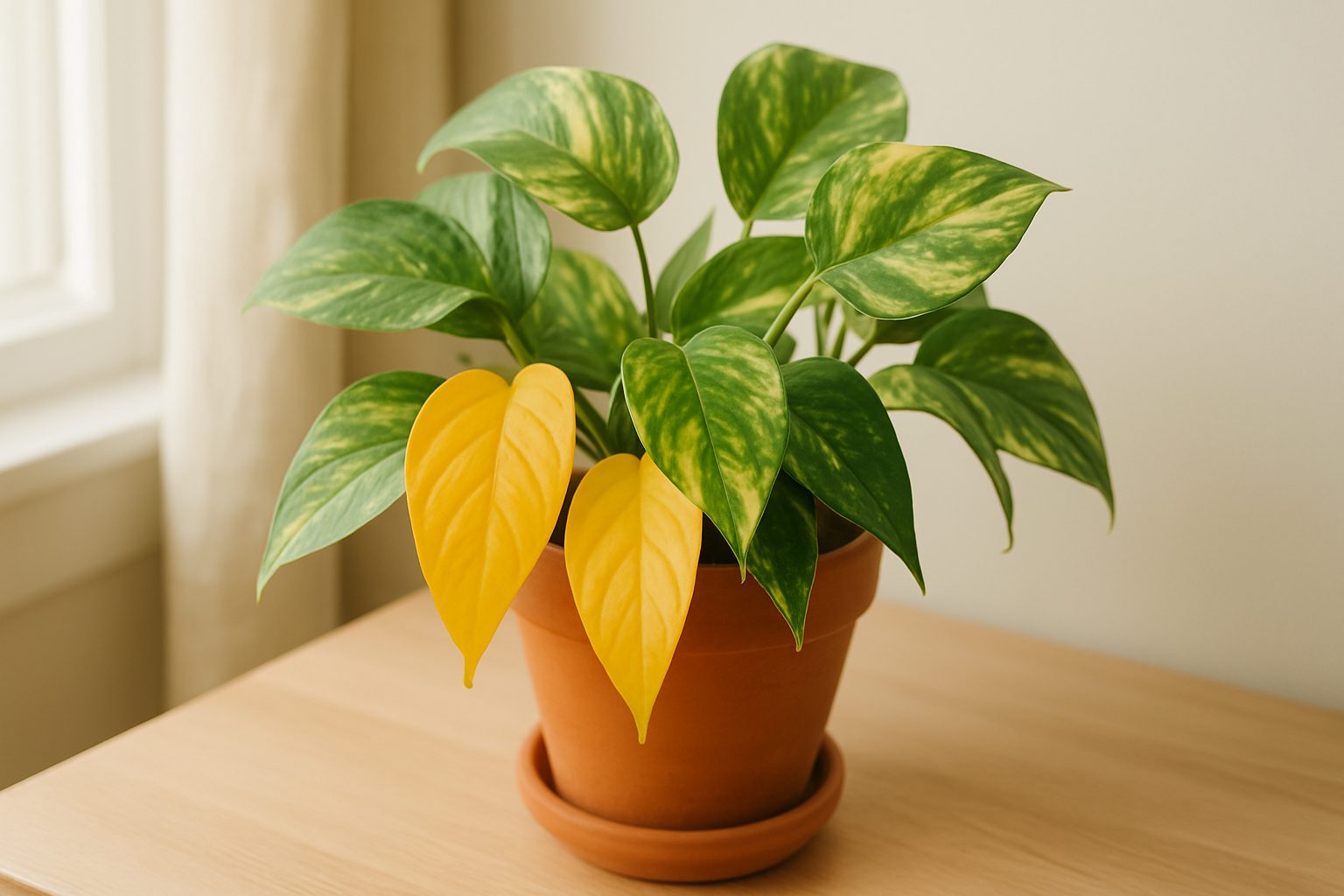 Troubleshooting
 Pothos Leaves Turning Yellow: Causes and Fixes
Pothos leaves turning yellow? Diagnose the cause fast with our symptom guide, then fix it. Plus: when a single yellow leaf means absolutely nothing.
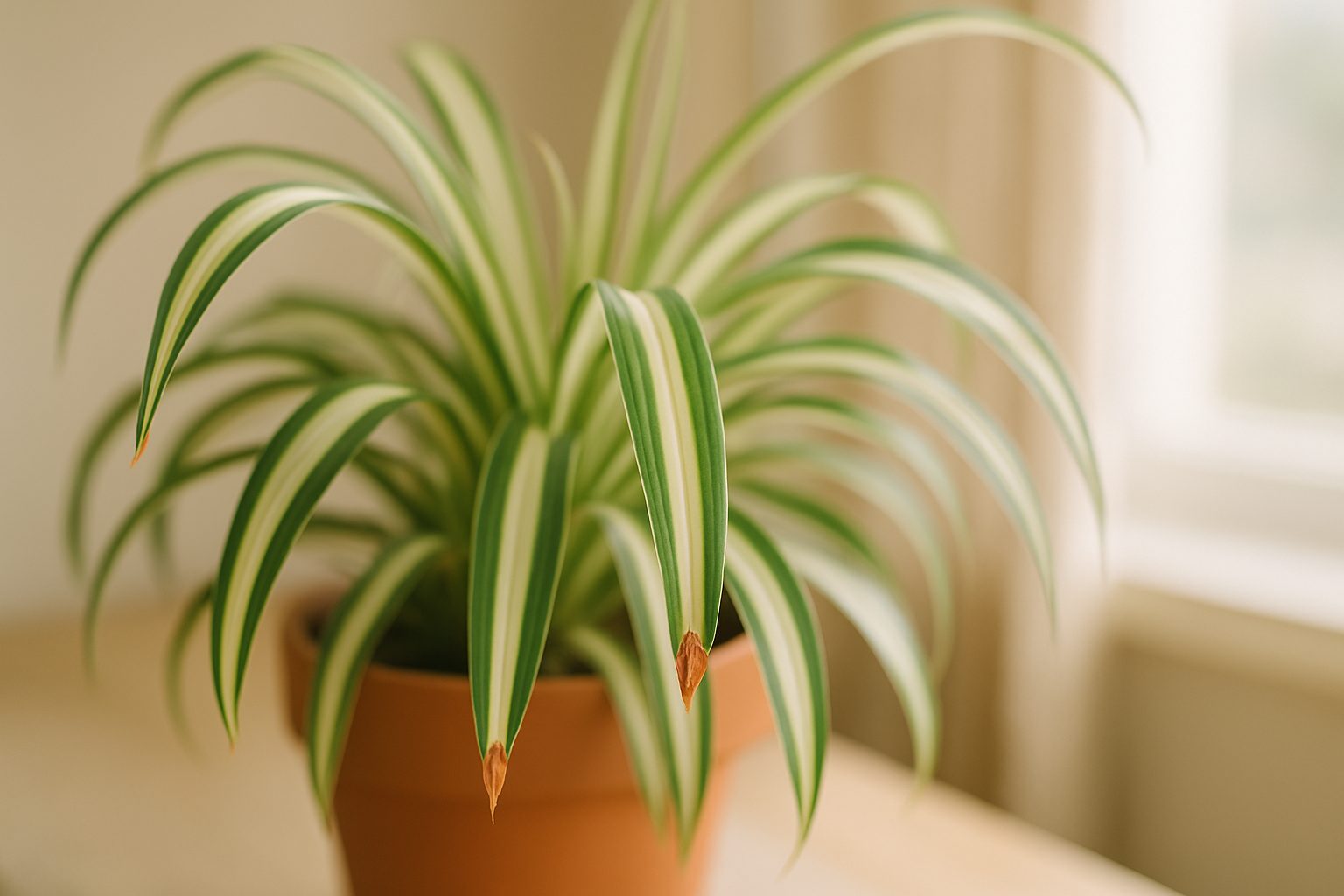 Troubleshooting
 Spider Plant Brown Tips: Why It Happens and How to Stop It
Spider plant brown tips are usually caused by fluoride in tap water, low humidity, or watering issues. Here's how to diagnose your cause and fix it.
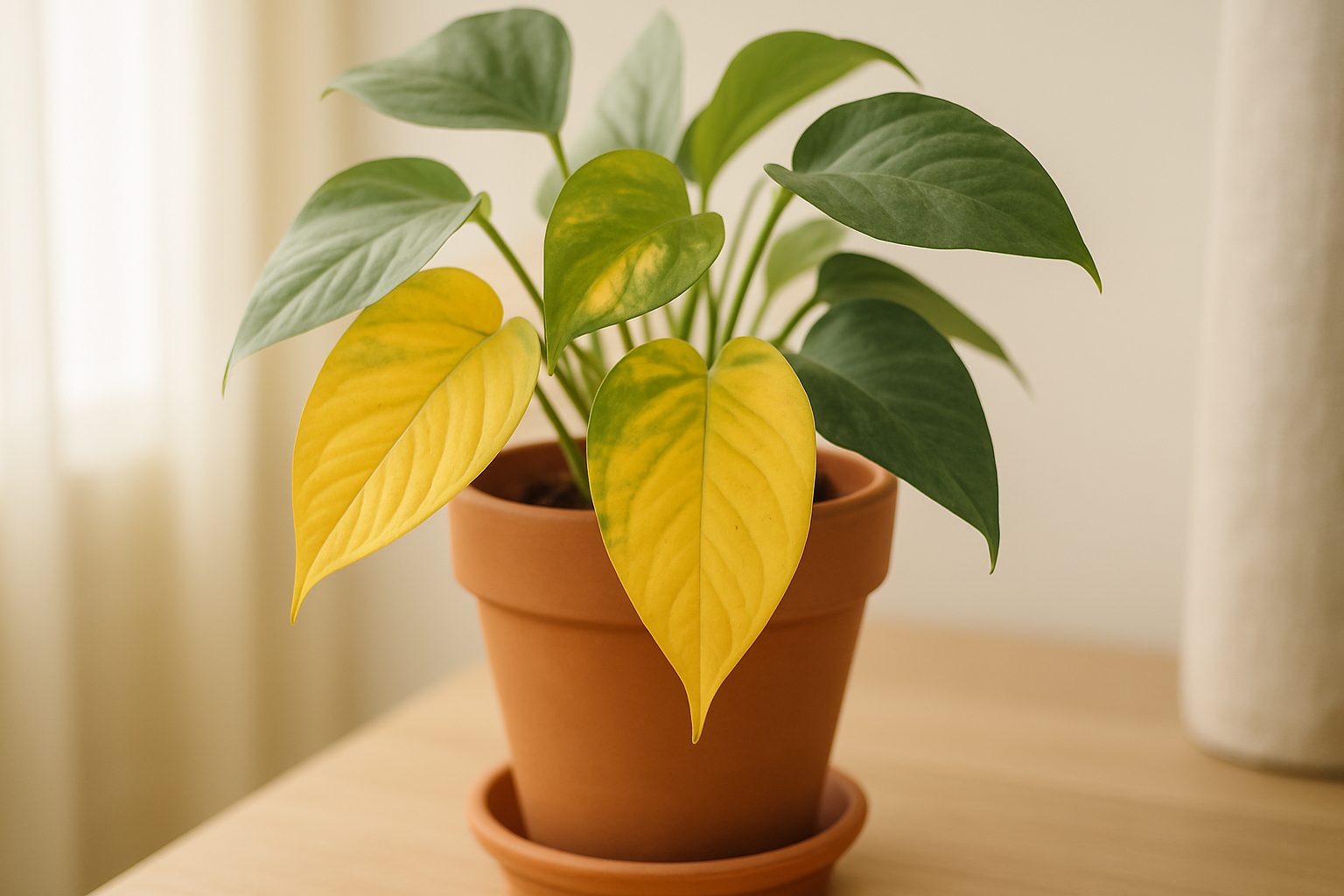 Troubleshooting
 Why Are My Plant Leaves Turning Yellow?
Plant leaves turning yellow? Find out which of the 10 common causes applies to your plant and get a clear fix for each one.